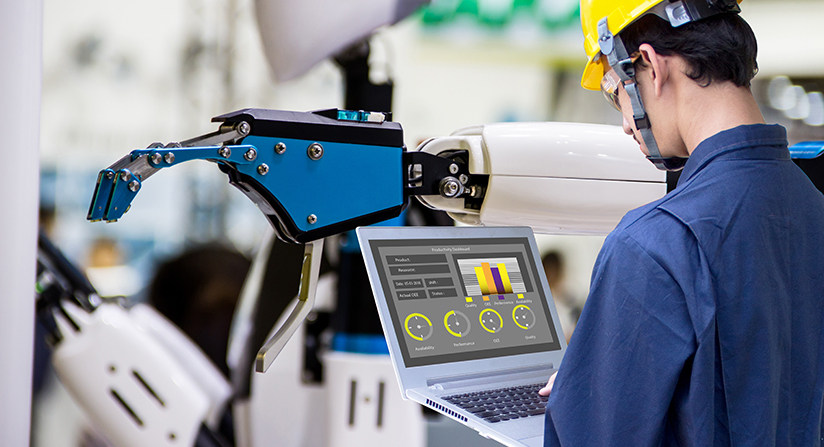
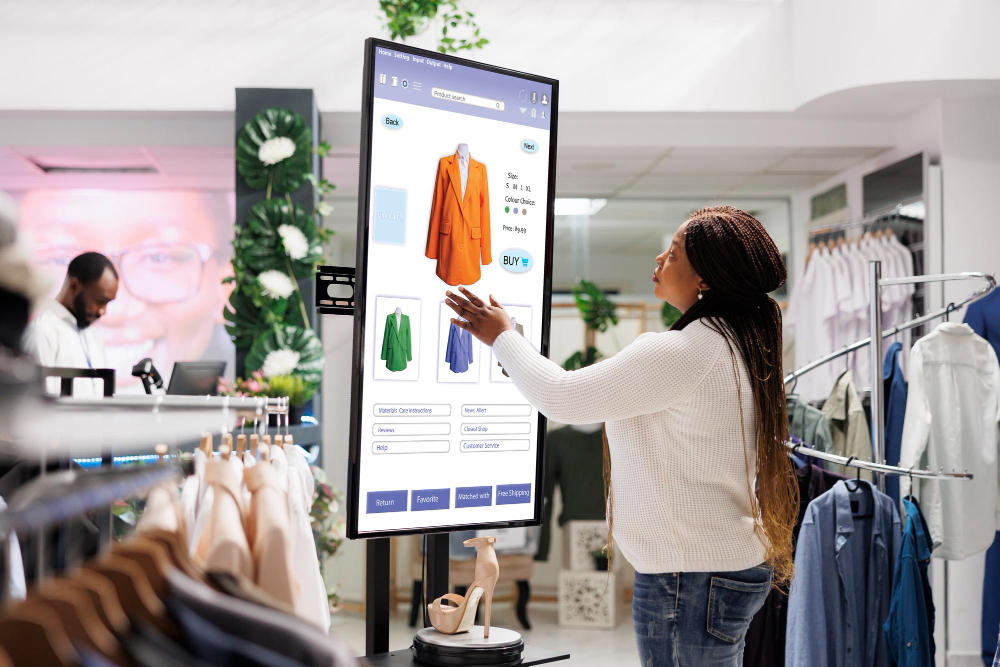
In the ever-changing landscape of retail, innovation has become not only a competitive advantage but a necessity. As consumer expectations shift, technology advances, and global disruptions reshape business practices, retailers must continuously evolve to stay relevant. From integrating artificial intelligence (AI) to reimagining brick-and-mortar experiences, the strategies driving retail innovation are diverse but crucial. To understand what truly works in retail innovation, experts have weighed in on the key trends and strategies that are reshaping the industry and positioning forward-thinking companies for success.
1. Omni-channel Retailing: A Seamless Integration of Online and Offline Experiences
The shift towards omni-channel retailing has been one of the most significant changes in recent years, and experts agree that it is here to stay. Omni-channel retailing is the integration of online and offline shopping experiences, allowing customers to seamlessly transition between platforms—whether browsing on a mobile device, shopping in a physical store, or ordering online for in-store pickup.
For instance, Walmart has become a prime example of successfully executing an omni-channel strategy. Their ability to blend e-commerce with their vast network of physical stores has allowed them to serve customers in multiple ways, catering to the growing demand for convenience. According to McKinsey & Company, the companies that are excelling in omni-channel retail are those that create a unified, personalized experience for customers across various touchpoints.
By offering flexible shopping options, such as click-and-collect, free returns, and real-time inventory updates, retailers can meet the evolving needs of customers, who increasingly expect the ability to shop whenever, wherever, and however they want. As Accenture highlights, the future of retail lies in personalized, frictionless experiences, and successful brands are those that blend the physical and digital worlds.
2. AI and Data-Driven Personalization
In today’s data-driven world, personalization has emerged as a fundamental aspect of customer satisfaction and retention. Retailers are increasingly using artificial intelligence (AI) and machine learning (ML) algorithms to provide hyper-personalized experiences to shoppers. Experts emphasize that the power of AI lies in its ability to process vast amounts of data, predict consumer behavior, and deliver tailored recommendations.
Amazon, for example, leverages AI to offer product suggestions based on previous purchases, browsing history, and user preferences. This data-driven approach has not only improved the shopping experience but also significantly increased sales. According to Gartner, 91% of consumers are more likely to shop with brands that provide personalized offers and recommendations.
For retailers looking to innovate, integrating AI tools that track customer behavior and create tailored shopping experiences can be a game-changer. From personalized email marketing to chatbots offering real-time support, AI is transforming how retailers engage with customers and predict future trends.
Moreover, data analytics allows companies to refine their inventory management. Retailers can use predictive analytics to forecast demand and avoid stockouts or overstocking. Walmart and Target are examples of companies utilizing data-driven insights to optimize their inventory systems and improve customer satisfaction.
3. Sustainability and Ethical Practices: Meeting the Demand for Conscious Consumerism
Another key area of retail innovation is sustainability, which is becoming increasingly important to consumers, especially among younger demographics. Experts note that today’s consumers are not only looking for quality products but are also becoming more discerning about the ethical practices behind those products. From sustainable sourcing to transparent supply chains, customers are holding brands accountable for their environmental and social impact.
Retailers like Patagonia and Everlane are pioneers in sustainability, having built their brand identities around ethical sourcing, transparent pricing, and environmentally friendly practices. Patagonia‘s initiatives, such as their commitment to using recycled materials and encouraging customers to buy used products, have resonated with consumers seeking to reduce their carbon footprint.
To meet the growing demand for sustainability, retail experts recommend integrating circular economy principles into the business model. This includes offering products that can be recycled or repurposed, using renewable energy sources, and reducing waste throughout the supply chain. Additionally, brands should communicate their sustainability efforts transparently, as trust is critical in today’s consumer relationships.
As Deloitte points out, the companies that succeed in this space are those that authentically integrate sustainability into their brand values rather than as a mere marketing strategy. This genuine commitment can drive customer loyalty, particularly among environmentally conscious consumers.
4. Experiential Retail: Creating Immersive In-Store Experiences
While e-commerce continues to grow, brick-and-mortar retail is far from dead. In fact, experts argue that physical stores can thrive by offering something that online shopping cannot: an experience. The rise of experiential retail is transforming how stores operate, shifting from transactional spaces to immersive environments that engage customers on a deeper level.
A prime example of this trend is Apple. Their retail stores are designed not only to showcase products but also to create an experience—complete with hands-on demonstrations, in-store events, and personalized customer service. Nike has followed a similar path with stores that allow customers to customize their sneakers and test them out in an indoor running track. According to CB Insights, experiential retail allows customers to forge a personal connection with the brand, enhancing brand loyalty and boosting sales.
Experiential retail can take many forms, from interactive displays and virtual try-ons to live events and workshops. The key is to create an emotional connection with consumers, one that goes beyond simply purchasing a product. This approach also aligns with the trend of personalization, as experiential stores often offer customized experiences that cater to individual preferences.
5. Subscription Services and Loyalty Programs
Subscription-based models have gained popularity in retail, as they offer customers convenience, exclusive access, and the ability to curate a shopping experience. Experts believe that subscription services are not just a trend, but rather a long-term business model for many retailers. From beauty products to clothing and food, subscription boxes have disrupted traditional retail by offering consumers a more personalized and predictable shopping experience.
Birchbox and Blue Apron are two companies that have successfully leveraged subscription models to retain customers and build steady revenue streams. Subscription services often provide a sense of exclusivity and surprise, which appeals to consumers who are looking for unique, curated products.
In addition to subscription services, innovative loyalty programs are becoming more personalized, data-driven, and integrated across both physical and digital platforms. Retailers are moving away from traditional point-based systems and offering more value-driven rewards, such as exclusive discounts, early access to new products, or free services.
According to Forbes, loyalty programs that leverage AI to personalize rewards based on shopping behavior are particularly effective in increasing customer retention and lifetime value.
6. Blockchain Technology and Transparency
Blockchain technology, often associated with cryptocurrencies, is finding its way into retail as a tool for enhancing transparency and securing transactions. Blockchain’s decentralized ledger allows for the tracking of products from production to sale, providing consumers with verifiable information about product origins, authenticity, and sustainability.
For example, Walmart and De Beers have adopted blockchain to trace the origins of food and diamonds, respectively, ensuring ethical sourcing and reducing fraud. Experts believe that as consumers become more conscious of product provenance, blockchain will play an increasingly important role in building trust between brands and customers.
Blockchain technology also has the potential to revolutionize supply chain management by providing real-time visibility and reducing inefficiencies. Retailers can use blockchain to ensure that products are delivered on time, reduce counterfeiting, and verify the authenticity of goods sold online.
7. Last-Mile Delivery and Logistics Innovations
Efficient delivery is another area where retail innovation is making a significant impact. With the rise of e-commerce, consumers expect fast, affordable, and reliable delivery options. The “last mile,” which refers to the final step of delivering a product to a customer’s doorstep, has become a major focus for retailers looking to streamline operations and enhance customer satisfaction.
Companies like Amazon have pioneered fast delivery through innovations like same-day and two-day delivery services. The use of drones, autonomous vehicles, and even in-store lockers for pickup are emerging trends that promise to make the last mile more efficient and cost-effective. According to Accenture, last-mile delivery innovations are expected to become a major competitive differentiator as consumers demand faster and more flexible delivery options.
Conclusion
Retail innovation is an ongoing journey, one that requires businesses to stay agile and responsive to both technological advancements and shifting consumer expectations. The trends discussed above are not just passing fads but represent long-term shifts in how retailers operate and engage with customers. From omni-channel retailing to AI-powered personalization, sustainability efforts, and last-mile delivery innovations, experts agree that the future of retail will be defined by a combination of technology, creativity, and an unwavering focus on the customer experience.
For retailers looking to stay ahead, embracing these innovations and adapting them to their unique business models will be essential for success in an increasingly competitive and fast-moving marketplace.