
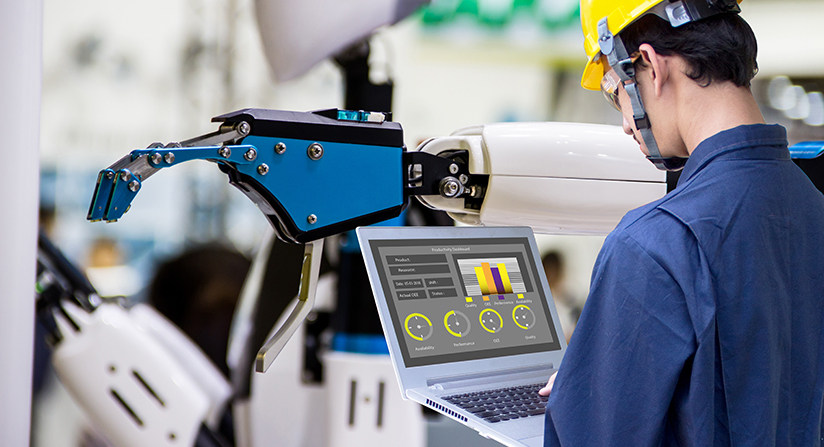
In the modern industrial landscape, manufacturing automation is not just a buzzword but a transformative force reshaping how products are made. Across the globe, companies are increasingly turning to automated solutions to streamline their operations, improve product quality, and stay competitive in an ever-demanding marketplace. The integration of automation into manufacturing processes brings a wide array of benefits, some of which go beyond what many people typically expect. Whether it’s through enhanced efficiency, improved safety, or greater flexibility, manufacturing automation is unlocking new levels of potential for businesses, big and small.
While automation has been a growing trend for several years, its real impact is now becoming more apparent as technologies like robotics, artificial intelligence (AI), and the Internet of Things (IoT) revolutionize traditional manufacturing paradigms. The following are some of the key benefits of manufacturing automation that businesses should embrace, especially if they seek long-term growth and resilience in a competitive market.
1. Enhanced Efficiency and Productivity
One of the most obvious and immediate benefits of manufacturing automation is the significant boost in efficiency and productivity. By automating repetitive, time-consuming tasks, manufacturers can increase production rates while reducing the time it takes to complete each cycle. Robots and automated systems work tirelessly around the clock, offering consistency and precision without the need for breaks or downtime.
For example, automated conveyor systems can quickly move products through various stages of production, while robotic arms can assemble parts with unparalleled speed and accuracy. These machines can operate continuously, performing tasks such as welding, painting, packaging, and sorting at a much faster pace than human workers. By speeding up production times and increasing output, manufacturers can meet growing demand while maximizing their existing resources.
Not only does automation streamline production, but it also reduces human error. Machines are programmed to follow exact specifications, ensuring that the product meets quality standards consistently. In sectors like automotive manufacturing, where precision is crucial, the value of automation becomes even more evident. According to McKinsey & Company, companies that have adopted automation report an average productivity increase of 20-30%.
2. Cost Reduction
Although the initial investment in automation technologies can be significant, the long-term financial benefits are undeniable. Over time, automation helps businesses reduce operational costs across multiple fronts. First and foremost, it minimizes the need for a large workforce, especially in repetitive and manual roles. This reduction in labor costs can be substantial, freeing up funds to invest in other areas of the business.
Additionally, automation reduces waste, which leads to lower production costs. By using advanced sensors and AI to optimize processes, automated systems can detect flaws early in the production cycle and prevent defective products from being made. This level of precision ensures that materials are used more efficiently, reducing scrap and rework.
Energy consumption can also be reduced with automation. Intelligent systems can adjust operations based on demand, reducing energy usage during periods of lower activity. By implementing energy-efficient automated machinery, manufacturers can cut down on utility bills, further contributing to cost savings.
3. Improved Product Quality and Consistency
Product quality is paramount in manufacturing, and maintaining consistency is often one of the most challenging aspects of production. Human workers, despite their best efforts, are prone to fatigue, distractions, and mistakes. Automation, on the other hand, eliminates these variables by ensuring a consistent approach to production.
Automated systems, such as robotic arms equipped with advanced sensors, ensure that each part is produced to the exact specifications. The ability of machines to consistently replicate the same task, day in and day out, guarantees high levels of accuracy and uniformity. In industries like electronics, pharmaceuticals, and food production, where precision is critical, automation can help meet stringent quality standards.
Furthermore, automation enables manufacturers to maintain tight control over the production process. With real-time data and analytics, operators can monitor production quality at every stage. This not only leads to fewer defects but also provides valuable insights that can be used to optimize future production runs.
4. Enhanced Safety and Reduced Workplace Accidents
Workplace safety is a top priority for any manufacturer, and automation plays a critical role in reducing workplace hazards. By delegating dangerous or physically demanding tasks to robots, the risk of injuries to workers is significantly lowered. Automated machines can handle heavy lifting, operate in hazardous environments, and perform tasks like welding or handling toxic chemicals that could otherwise pose a danger to human workers.
For example, in the automotive industry, robots are often used for welding and assembly tasks, both of which can be dangerous for human workers. Similarly, in the electronics sector, automation is used to handle small components that require precise manipulation, reducing the risk of repetitive strain injuries. Automated systems can also be equipped with advanced safety protocols, including emergency stop mechanisms and sensors that detect anomalies, providing an additional layer of protection.
Moreover, automation reduces the likelihood of human errors that could lead to accidents. With automated systems performing critical tasks, manufacturers can ensure a safer working environment for their employees.
5. Flexibility and Scalability
As market demands fluctuate, manufacturers must be able to adapt quickly to changes in production needs. One of the most compelling advantages of automation is the flexibility it offers. Automated systems can be reprogrammed or reconfigured to accommodate different products or production runs, allowing manufacturers to respond swiftly to shifts in consumer demand.
For instance, a robotic system can be programmed to assemble a variety of products without requiring extensive downtime or costly retooling. Whether it’s adjusting for a new design, scaling production volumes, or changing production schedules, automation makes it easier to pivot in response to changing market conditions.
Additionally, automation makes scaling production more straightforward. As demand grows, manufacturers can increase the number of automated machines or adjust their existing systems to handle larger volumes without compromising quality or efficiency. This scalability enables businesses to meet higher production targets without the need to significantly expand their workforce or infrastructure.
6. Data-Driven Decision Making
Another powerful benefit of manufacturing automation is the wealth of data it generates, which can be leveraged for continuous improvement. With the integration of IoT devices and sensors, automated systems collect real-time data on production processes, machine performance, and product quality. This data can be analyzed to uncover insights that help optimize manufacturing operations.
By using data analytics, manufacturers can identify inefficiencies, detect potential issues before they escalate, and fine-tune their processes for maximum performance. Predictive maintenance, for example, uses data to predict when a machine is likely to fail, allowing for proactive maintenance that prevents costly downtime and equipment failure. This data-driven approach leads to smarter, more informed decision-making that drives operational excellence.
7. Sustainability and Environmental Benefits
Sustainability is an increasingly important consideration for manufacturers, as both consumers and regulators demand more environmentally responsible practices. Automation plays a key role in helping companies meet sustainability goals. By optimizing production processes, reducing waste, and improving energy efficiency, automation helps companies lower their environmental footprint.
For instance, automated systems can optimize material usage, ensuring that raw materials are consumed efficiently and minimizing waste. Additionally, automation can reduce energy consumption by regulating the operation of machinery based on real-time demand, rather than running machines at full capacity continuously. These practices contribute to a reduction in the overall environmental impact of manufacturing processes.
Moreover, automation enables companies to implement sustainable practices such as recycling materials, reducing emissions, and lowering water usage. As companies strive to meet increasingly stringent environmental regulations, automation provides a practical solution to achieving sustainability targets.
Conclusion
The benefits of manufacturing automation are clear and wide-ranging. From boosting efficiency and productivity to improving product quality, enhancing workplace safety, and supporting sustainable practices, automation is transforming the manufacturing sector in profound ways. While the initial investment in automation technology can be substantial, the long-term benefits far outweigh the costs, offering companies a competitive edge in a rapidly evolving market.
As automation continues to evolve, integrating cutting-edge technologies such as AI, robotics, and IoT, manufacturers are poised to unlock even greater potential. Those who embrace automation now will not only improve their operational performance but also position themselves for future growth in an increasingly automated world. In a time when every advantage counts, the move toward manufacturing automation is not just a trend—it’s a strategic imperative that delivers tangible results.