
Introduction
Starting an investment journey can feel overwhelming, especially when faced with countless assets, terms, and strategies. The good news is that building a solid investment portfolio doesn’t require advanced knowledge—just a clear plan, patience, and a disciplined mindset. This guide walks you through the essential steps to create a beginner-friendly portfolio that balances growth and stability.
What Is an Investment Portfolio?
An investment portfolio is a collection of assets—such as stocks, bonds, real estate, and cash equivalents—designed to help you grow wealth over time. Your portfolio reflects your financial goals, risk tolerance, and investment horizon.
Why Building a Portfolio Matters
A thoughtfully structured portfolio provides:
- Long-term wealth growth
- Risk reduction through diversification
- Opportunities for passive income
- A personalized path toward financial goals
How to Build an Investment Portfolio as a Beginner
1. Define Your Financial Goals
Before selecting investments, clarify what you want to achieve. Goals help determine your strategy and risk level.
Ask yourself:
- Am I investing for retirement, education, or short-term savings?
- How much do I want to accumulate?
- What is my time horizon?
Long-term goals allow more risk-taking, while short-term goals require safer, more predictable assets.
2. Understand Your Risk Tolerance
Risk tolerance is your ability and willingness to handle market fluctuations. It varies based on:
- Age
- Income stability
- Investment experience
- Emotional comfort with volatility
Basic risk categories:
- Conservative: Prefers stability; lower returns
- Moderate: Balanced approach; some volatility acceptable
- Aggressive: Seeks high growth; tolerates market swings
3. Learn the Core Asset Classes
Stocks (Equities)
- Higher long-term returns
- Higher volatility
- Ideal for long-term investors
Bonds (Fixed Income)
- Provide stability and regular interest
- Lower risk and lower returns
- Good for balancing a stock-heavy portfolio
Cash & Cash Equivalents
- Minimal risk
- Easily accessible
- Includes savings accounts, money market funds
Other Assets (Optional for Beginners)
- Real estate investment trusts (REITs)
- Index funds & ETFs
- Commodities or crypto (only if you understand the risks)
4. Prioritize Diversification
Diversification spreads investments across different assets to reduce risk. Instead of putting everything into one stock or industry, a diversified portfolio balances gains and losses.
Ways to diversify:
- Mix stocks, bonds, and cash
- Invest across multiple sectors (tech, healthcare, energy)
- Include international markets
- Use broad-market index funds or ETFs
5. Choose the Right Investment Accounts
Your investment performance isn’t just about what you buy—it’s also where you hold your investments.
Common account types:
- Brokerage Accounts: Flexible, no tax advantages
- Retirement Accounts (IRA, Roth IRA, 401(k)): Tax benefits; ideal for long-term goals
- Education Accounts (529 plans): Tax advantages for education savings
6. Start Simple With Index Funds or ETFs
For beginners, broad-market funds are an excellent starting point.
Why they work:
- Low fees
- Instant diversification
- Lower risk compared to picking individual stocks
Examples include:
- S&P 500 index funds
- Total market ETFs
- Bond index funds
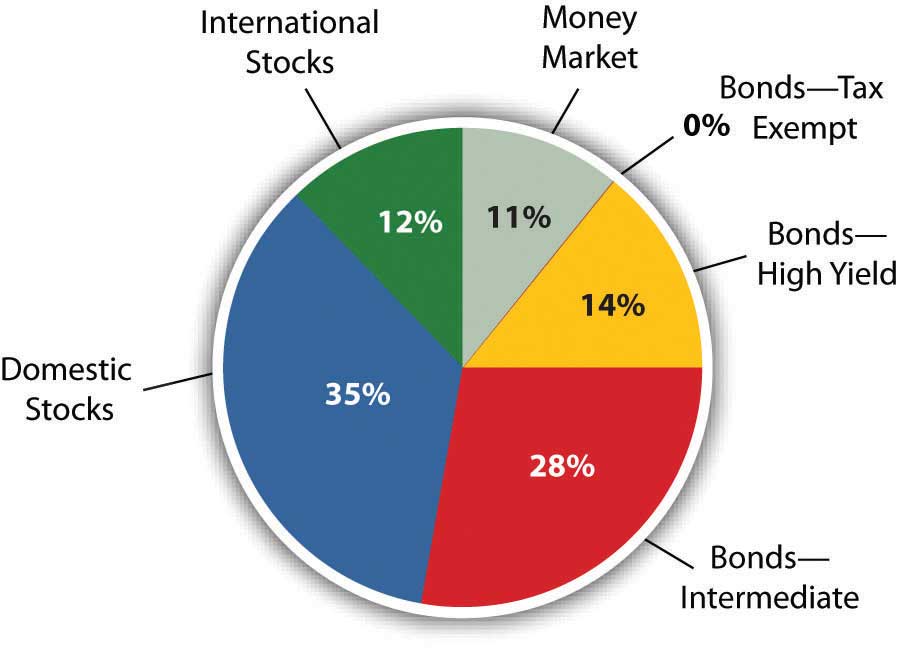
7. Allocate Your Assets Wisely
Your asset allocation should reflect your goals and risk profile.
Sample allocations:
- Conservative: 20% stocks, 70% bonds, 10% cash
- Moderate: 60% stocks, 30% bonds, 10% cash
- Aggressive: 80–90% stocks, 10–20% bonds
As you age or your goals shift, your allocation may need adjustment.
8. Rebalance Your Portfolio Regularly
Over time, some investments grow faster than others, throwing off your target allocation. Rebalancing restores the original balance.
When to rebalance:
- Once or twice a year
- When an asset class moves significantly off target
9. Stay Consistent and Avoid Emotional Decisions
Markets rise and fall, but long-term investors benefit most by staying patient. Avoid reacting to short-term noise.
Tips:
- Stick to your plan
- Invest consistently (even small amounts)
- Review progress annually
- Avoid chasing “hot tips” or hype-driven investments
FAQs
1. How much money do I need to start an investment portfolio?
You can start with as little as $10–$50 using fractional shares or low-cost ETFs.
2. Should beginners invest in individual stocks?
Not necessarily. Index funds or ETFs are more beginner-friendly and reduce risk.
3. How often should I check my portfolio?
A quarterly review is usually enough, unless major financial changes occur.
4. What’s the difference between active and passive investing?
Active investing involves frequent trades and research, while passive investing relies on long-term, market-tracking funds.
5. Is investing risky for beginners?
All investing involves risk, but diversification and proper planning help manage it.
6. Can I build a portfolio without a financial advisor?
Yes—many beginners use robo-advisors or self-directed platforms.
7. Should I stop investing during a market downturn?
No. Downturns often present buying opportunities for long-term investors.
If you’d like, I can also produce a downloadable PDF version or help you create a more advanced investment strategy!