
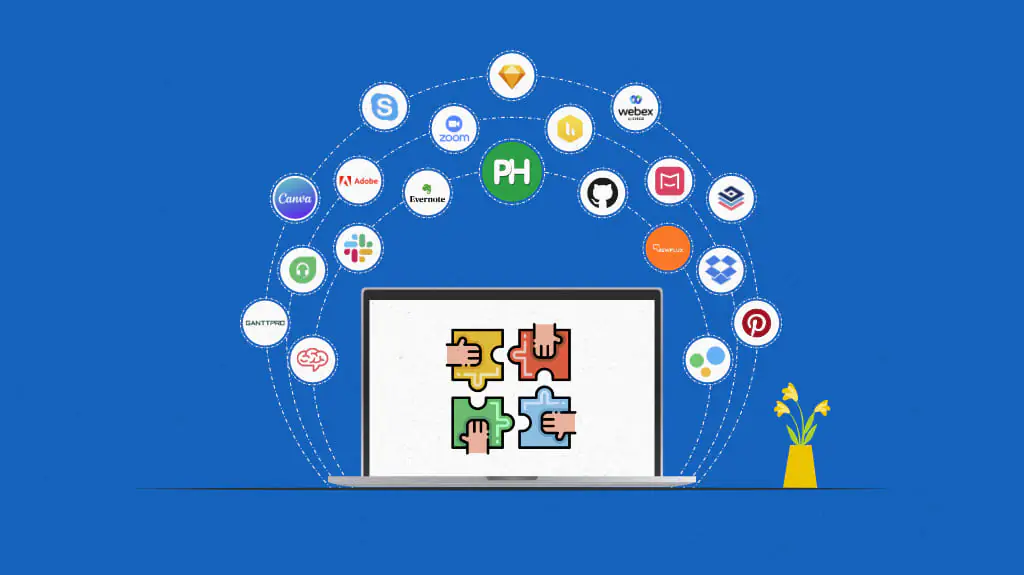
Productivity tools promise speed, clarity, and efficiency—but when introduced poorly, they can just as easily create confusion and resistance. Teams often struggle not because tools are ineffective, but because they interrupt existing workflows or demand steep learning curves. The most effective productivity tools are those that blend into daily work, support collaboration, and reduce friction rather than adding to it.
When selected thoughtfully, these tools help teams do more without forcing major behavioral changes or slowing momentum.
Why Productivity Tools Often Disrupt Teams
Before exploring the right tools, it helps to understand why many implementations fail. Common issues include unclear purpose, tool overload, and lack of alignment with how teams already work.
Disruption typically happens when tools:
-
Require complex onboarding or constant training
-
Duplicate existing systems instead of improving them
-
Change workflows without addressing real pain points
-
Add monitoring pressure rather than support
Tools that enhance productivity focus on supporting people, not controlling them.
Communication Tools That Reduce Back-and-Forth
Clear communication is the foundation of productive teamwork. Tools that centralize conversations help teams avoid scattered messages, missed updates, and unnecessary meetings.
Effective communication tools usually offer:
-
Organized channels or threads by topic
-
Real-time and asynchronous messaging
-
Easy file sharing and searchable message history
These tools improve productivity by shortening decision cycles and keeping everyone aligned without demanding constant availability.
Task Management Tools That Fit Existing Workflows
Task management tools work best when they reflect how teams already plan and execute work. Overly rigid systems often slow progress instead of supporting it.
Well-designed task tools help teams:
-
Break work into clear, manageable actions
-
Visualize progress without micromanagement
-
Set priorities and deadlines transparently
-
Collaborate without excessive status updates
The goal is visibility, not control—teams should feel supported, not monitored.
Document Collaboration Tools That Eliminate Version Confusion
Few things disrupt productivity more than unclear document versions and endless email attachments. Collaborative document tools solve this quietly and effectively.
These tools enhance productivity by:
-
Allowing multiple people to edit in real time
-
Tracking changes automatically
-
Reducing reliance on long email threads
-
Creating a single source of truth for shared files
When documents are easy to access and update, teams spend less time coordinating and more time executing.
Automation Tools That Remove Repetitive Work
Automation can significantly improve productivity when applied carefully. The best automation tools handle routine tasks in the background, freeing teams to focus on higher-value work.
Examples of productive automation include:
-
Automatic data syncing between tools
-
Scheduled reports and reminders
-
Workflow triggers for approvals or handoffs
When automation is invisible and reliable, teams benefit without feeling disrupted.
Time and Focus Tools That Respect Autonomy
Productivity isn’t just about speed—it’s also about focus. Tools that help individuals manage time and reduce distractions can raise team output without imposing rigid rules.
Helpful focus tools often provide:
-
Gentle reminders and time-blocking options
-
Insights into work patterns rather than strict tracking
-
Flexibility for different working styles
These tools work best when used as personal aids, not enforcement mechanisms.
How to Introduce Productivity Tools Without Resistance
Even the best tools can fail if rolled out poorly. Successful adoption depends more on approach than technology.
Best practices include:
-
Explaining the specific problem the tool solves
-
Involving teams in selection and testing
-
Introducing tools gradually, not all at once
-
Allowing flexibility in how teams use them
-
Reviewing impact and adjusting as needed
When teams understand the value and feel included, adoption becomes natural rather than forced.
Measuring Productivity Without Adding Pressure
Productivity tools should offer insight, not anxiety. Metrics should focus on outcomes and bottlenecks rather than individual activity levels.
Healthy productivity measurement looks at:
-
Project completion timelines
-
Reduction in rework or delays
-
Improved collaboration and clarity
-
Team feedback and satisfaction
When data is used to improve systems—not scrutinize people—productivity gains are sustainable.
FAQ
What makes a productivity tool non-disruptive for teams?
A non-disruptive tool fits existing workflows, requires minimal training, and solves a clear problem without adding complexity.
Should teams use multiple productivity tools or fewer all-in-one platforms?
Fewer, well-integrated tools are usually more effective than many disconnected ones that fragment work.
How can managers prevent tool overload?
By auditing existing tools regularly and removing those that overlap or provide little value.
Are productivity tools suitable for remote and hybrid teams?
Yes, especially when they support asynchronous work, transparency, and clear communication.
How long does it take for teams to adapt to new productivity tools?
Adaptation varies, but tools with intuitive design often show benefits within weeks when introduced gradually.
Can productivity tools hurt team morale?
They can if perceived as monitoring tools. Clear communication about intent and respectful use prevents this.
How should teams evaluate whether a productivity tool is working?
By combining usage data with qualitative feedback and assessing whether daily work feels smoother and clearer.
If you’d like, I can also adapt this article for a specific audience—startups, remote teams, enterprise environments, or SMBs—or rewrite it to match a stricter brand voice.