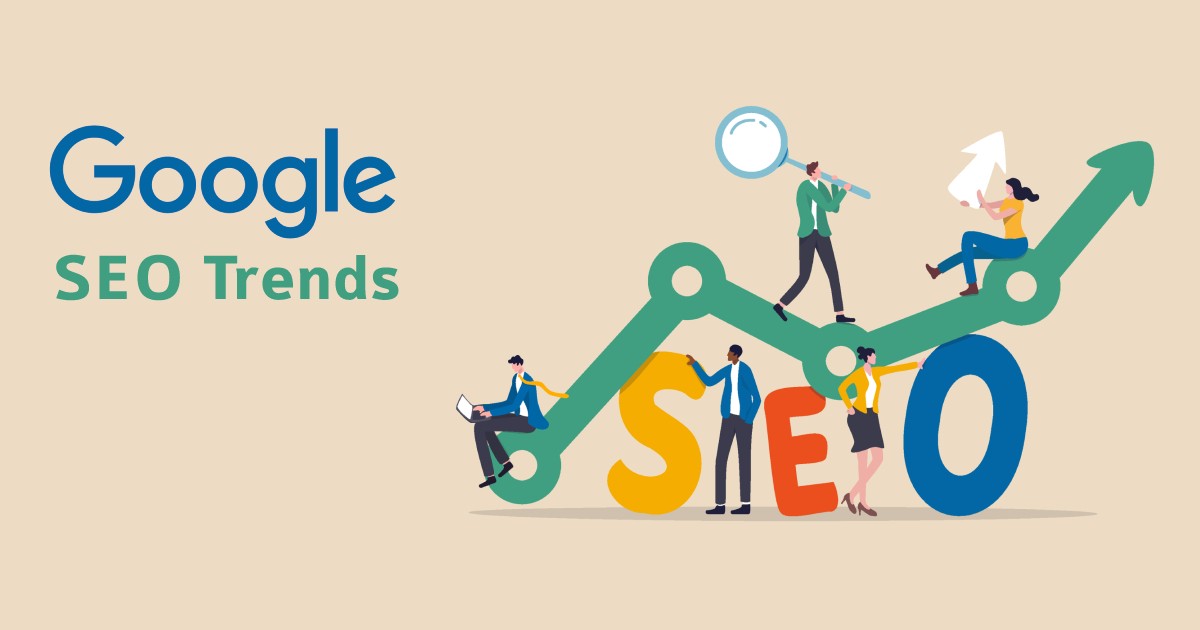
In the ever-changing landscape of digital marketing, search engine optimization (SEO) has long been a cornerstone of online visibility. While many businesses still focus on the basics—keywords, backlinks, and page titles—advanced SEO strategies are increasingly becoming the difference between short-term success and sustainable growth. As we move into 2025, SEO is no longer just about ranking for specific keywords; it’s about creating holistic, user-centered strategies that adapt to evolving search engine algorithms, address user intent, and foster long-term organic growth. To achieve lasting SEO success, businesses need to go beyond conventional tactics and leverage advanced strategies that account for the complexities of modern search behavior. Below, we explore some of the most effective advanced SEO trends that can fuel sustainable growth in the coming years.
1. User Intent Optimization: The Core of Search Success
While traditional SEO often focuses on ranking for specific keywords, the future of SEO is increasingly focused on understanding and addressing user intent. Google’s algorithms have become more sophisticated, with an emphasis on serving users the most relevant, high-quality content that satisfies their query. User intent refers to the reason behind a user’s search—whether they are looking for information, making a purchase, or seeking a specific service.
To optimize for user intent, businesses must first segment their target audience and their search behaviors. Broadly speaking, search intent falls into three categories: informational, navigational, and transactional. Content optimization must match the type of intent:
-
Informational intent: Users are seeking knowledge. The best strategy here is to create in-depth, informative content such as blog posts, FAQs, how-to guides, and videos.
-
Navigational intent: Users are looking for a specific website or page. To capture this intent, ensure that your site structure is clear, that important pages are easily accessible, and that your brand name and key pages are optimized for branded searches.
-
Transactional intent: Users are ready to make a purchase. Here, your SEO strategy should center on product pages, detailed descriptions, reviews, and landing pages optimized for conversion.
Focusing on user intent not only improves your rankings but also increases user engagement, reduces bounce rates, and ultimately drives conversions. By delivering exactly what your audience is searching for, you increase the likelihood of organic growth and long-term success.
2. E-A-T and Expertise, Authority, and Trustworthiness
Google has continually emphasized the importance of E-A-T (Expertise, Authoritativeness, and Trustworthiness) in determining the quality and ranking of content. This trend is expected to become even more pronounced in 2025, as search engines strive to deliver the most credible and reliable results to users.
To improve your E-A-T, focus on creating content that demonstrates subject-matter expertise. This might include:
-
Collaborating with industry experts to write guest posts or features.
-
Citing authoritative sources and reputable references within your content.
-
Creating detailed, well-researched articles that offer real value to your audience.
Additionally, ensure that your website itself is trustworthy. This includes securing your site with HTTPS, improving site speed, having a clear privacy policy, and offering excellent customer service. Google’s ability to measure a website’s authority and trustworthiness is becoming more sophisticated, and businesses that invest in these areas will not only rank better but also build long-term credibility with their audience.
3. Core Web Vitals: The User Experience Revolution
User experience (UX) has always played a crucial role in SEO, but with Google’s introduction of Core Web Vitals as ranking factors, it’s now more important than ever. Core Web Vitals measure the real-world experience of users on your site, focusing on loading performance, interactivity, and visual stability.
-
Largest Contentful Paint (LCP) measures loading performance, and an ideal LCP should occur within 2.5 seconds of the page starting to load.
-
First Input Delay (FID) tracks interactivity, with a target of under 100 milliseconds for a fast, responsive experience.
-
Cumulative Layout Shift (CLS) evaluates visual stability, ensuring that content doesn’t shift unexpectedly, frustrating the user.
These factors are now integrated into Google’s ranking algorithm, meaning websites that perform poorly in these areas will struggle to rank highly, even if their content is strong. Businesses looking for sustainable SEO growth must invest in optimizing these user experience metrics. This could involve improving page load speeds by compressing images, reducing JavaScript, and using modern web technologies like AMP (Accelerated Mobile Pages). Optimizing for Core Web Vitals not only improves rankings but also reduces bounce rates and increases conversions by offering a seamless browsing experience.
4. Voice Search Optimization: Preparing for the Future
With the proliferation of smart speakers, mobile assistants, and voice-activated devices, voice search is becoming an integral part of the SEO landscape. According to recent reports, nearly 30% of all searches are expected to be voice-based by 2025. This presents a unique opportunity for businesses to adapt their SEO strategies to accommodate voice search queries.
Voice search queries tend to be more conversational and natural than text-based searches, often in the form of full questions. For example, a user might type “best Italian restaurant near me,” but ask, “What is the best Italian restaurant near me?” when using voice search. To optimize for voice search, businesses should focus on:
-
Long-tail keywords: Voice search often involves longer phrases or questions. Optimizing for these queries helps businesses capture voice traffic.
-
Featured snippets: Google often pulls answers from featured snippets when responding to voice search queries. Creating content that answers specific questions succinctly (e.g., “What is the fastest way to lose weight?”) can increase the likelihood of your content being featured.
-
Local SEO: Voice search is heavily location-based. Ensure your Google My Business listing is optimized, and create local content to capture voice search traffic.
By optimizing for voice search, businesses can stay ahead of the curve, ensuring that they are positioned to take advantage of this growing trend.
5. Video SEO: Tapping Into the Power of Visual Content
Video content has exploded in popularity over the last decade, and its importance in SEO is only going to increase in the years ahead. With platforms like YouTube being the second-largest search engine globally, video SEO is a critical component of any advanced SEO strategy. In fact, studies have shown that video content is 50 times more likely to drive organic search results than text-based content.
To harness the power of video for SEO, consider the following strategies:
-
Optimize video titles and descriptions: Ensure your video titles are clear and contain relevant keywords. Similarly, optimize the video description with context, links, and targeted keywords.
-
Add captions and transcripts: Not only does this improve accessibility, but it also provides additional text for search engines to index, boosting the SEO value of your video content.
-
Embed videos on your website: Video content can significantly increase the time users spend on your site, which sends positive signals to search engines.
Creating engaging video content around your products, services, or industry topics can help drive both traffic and conversions while improving your site’s overall SEO.
6. AI and Machine Learning in SEO: Embracing the Future
As artificial intelligence (AI) and machine learning continue to shape the SEO landscape, businesses need to adapt to these technologies to stay competitive. Google’s AI algorithms, such as RankBrain and BERT, are becoming increasingly sophisticated in understanding the context of user queries. These algorithms consider factors like search history, location, and even semantic meaning to deliver highly relevant results.
To leverage AI in SEO, businesses can:
-
Use AI-powered tools for keyword research, content optimization, and performance analysis. Platforms like Clearscope, SEMrush, and SurferSEO can help identify the most effective keywords and content strategies.
-
Optimize for semantic search: Google’s algorithms are becoming more adept at understanding the meaning behind queries. This makes it important to focus on creating content that answers questions in a comprehensive, well-structured manner, using natural language and LSI (Latent Semantic Indexing) keywords.
-
Improve personalization: Machine learning allows for more personalized search results. To optimize for this, ensure that your content is dynamic, relevant, and continuously updated.
AI is transforming SEO from a series of mechanical tactics into a fluid, adaptive process. Embracing these technologies can help businesses stay ahead of trends and maintain their competitive edge in search rankings.
7. Sustainability and SEO: The Green Shift
With growing consumer awareness around environmental issues, search engines are increasingly placing emphasis on businesses that adopt sustainable practices. Google, in particular, has integrated sustainability into its ranking factors, rewarding companies that demonstrate a commitment to green initiatives, from reducing carbon footprints to adopting eco-friendly practices.
Businesses that highlight their sustainability efforts—through dedicated pages, case studies, or sustainability reports—can gain both search visibility and consumer loyalty. Not only does this align with Google’s ranking algorithms, but it also appeals to a conscientious consumer base that values environmental responsibility.
Conclusion: A Strategic SEO Framework for Long-Term Growth
In 2025, SEO is poised to become even more sophisticated, with a greater emphasis on user experience, AI, and the need to adapt to ever-evolving search behaviors. By embracing advanced strategies such as user intent optimization, E-A-T, Core Web Vitals, voice search, and video SEO, businesses can set the stage for sustainable growth in an increasingly competitive digital landscape. Successful SEO is no longer about quick wins—it’s about creating a cohesive, long-term strategy that aligns with both user needs and search engine expectations. As algorithms become smarter and more intuitive, those who prioritize quality, relevance, and engagement will be the ones who thrive.