
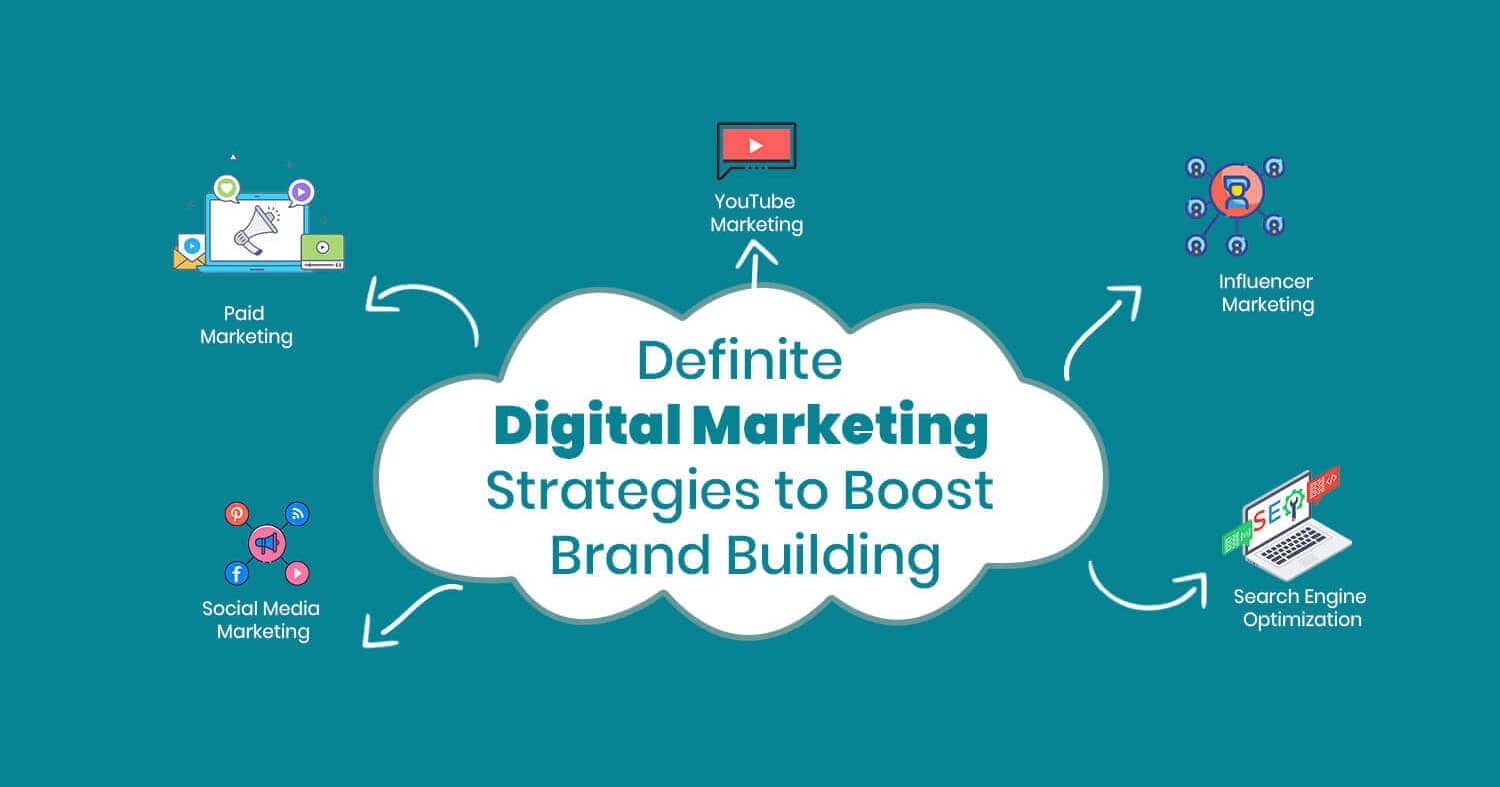
Brand recognition is not built overnight. It develops through consistent messaging, deliberate visibility, and repeated positive experiences that help audiences instantly recall and trust a brand. Businesses that focus on short-term promotion without a long-term branding plan often struggle to stay memorable. Sustainable recognition requires patience, clarity, and disciplined execution across every customer touchpoint.
Define a Clear and Consistent Brand Identity
A recognizable brand starts with clarity. Customers should immediately understand who you are, what you offer, and why it matters.
Strong brand identity includes:
-
Visual consistency across logos, colors, typography, and design elements
-
A distinct brand voice that reflects your values and audience expectations
-
Clear positioning that differentiates you from competitors
When identity elements remain consistent across websites, social platforms, packaging, and communications, recognition improves naturally over time.
Focus on Repetition Without Redundancy
Recognition grows through repetition, but repetition must be purposeful rather than repetitive.
Effective repetition involves:
-
Reinforcing core messages in different formats
-
Sharing similar ideas through blogs, videos, social posts, and email campaigns
-
Using familiar visuals and taglines without overusing them
The goal is to help audiences recognize patterns associated with your brand while still offering fresh value in each interaction.
Invest in Content That Educates and Adds Value
Content marketing plays a central role in long-term brand recognition. Educational content positions your brand as a reliable resource rather than just a seller.
High-impact content strategies include:
-
Blog posts that address common customer questions
-
Guides and explainers that simplify complex topics
-
Visual content such as infographics and short videos
When people consistently learn something useful from your brand, recall becomes stronger and more positive.
Maintain Presence Across the Right Channels
Being visible everywhere is less effective than being present where your audience already spends time.
To build recognition efficiently:
-
Identify platforms your target audience uses regularly
-
Maintain consistent branding across all active channels
-
Avoid spreading resources too thin across unused platforms
A focused, sustained presence builds familiarity, which is essential for recognition.
Align Brand Messaging With Customer Experience
Marketing messages must match real customer experiences. Inconsistency between promise and delivery weakens recognition and trust.
Key alignment areas include:
-
Website messaging and actual product benefits
-
Customer support tone and brand values
-
Post-purchase communication and follow-ups
Every interaction reinforces or weakens brand perception. Consistency builds long-term recall.
Use Storytelling to Create Emotional Connection
Facts inform, but stories are remembered. Brands that share relatable stories tend to stand out more clearly in crowded markets.
Effective storytelling may include:
-
The brand’s origin and purpose
-
Customer success stories
-
Behind-the-scenes insights into processes or culture
Stories humanize your brand, making recognition more personal and enduring.
Measure and Refine Brand Visibility Over Time
Brand recognition grows gradually and should be monitored through consistent evaluation.
Useful indicators include:
-
Direct traffic growth
-
Branded search volume
-
Social media mentions and engagement
-
Repeat customer interactions
Tracking trends over time helps refine strategies while staying aligned with long-term goals.
Stay Patient and Committed to Long-Term Growth
Brand recognition compounds. Businesses that commit to consistent marketing practices often outperform those chasing quick visibility spikes.
Long-term success requires:
-
Ongoing investment in brand assets
-
Regular refinement without frequent reinvention
-
A focus on trust rather than instant conversion
The most recognizable brands are built through discipline, not shortcuts.
Frequently Asked Questions (FAQs)
1. How long does it take to build strong brand recognition?
Brand recognition typically develops over months or years, depending on consistency, audience size, and marketing frequency.
2. Is brand recognition more important than lead generation?
Both matter, but recognition supports lead generation by making prospects more comfortable engaging with your business.
3. Can small businesses build brand recognition on limited budgets?
Yes. Consistent messaging, focused channels, and valuable content can drive recognition without large advertising spends.
4. Does brand recognition apply to B2B companies as well?
Absolutely. Decision-makers prefer familiar brands, even in highly technical or professional industries.
5. How does consistency affect brand recall?
Consistency helps audiences associate repeated visuals and messages with your brand, improving memory and trust.
6. Should branding change as the business grows?
Brands can evolve gradually, but sudden or frequent changes can weaken recognition and confuse audiences.
7. What role does customer feedback play in brand recognition?
Customer feedback shapes perception. Positive experiences reinforce recognition, while unresolved issues can harm it.
If you want, I can also adapt this article for SEO optimization, regional audiences, or enterprise-focused branding without altering the tone or structure.