Strong brands are not built on logos alone. They are built through consistent communication, repeated across every channel, team, and interaction. Branding guidelines play a central role in making that consistency possible, especially as organizations grow and involve more people in content creation, marketing, sales, and customer support.
When branding rules are clear and practical, teams spend less time guessing and more time delivering messages that feel unified and trustworthy.
Why Branding Guidelines Matter for Team Communication
Without shared standards, communication quickly becomes fragmented. Different tones, visuals, and messaging styles can confuse audiences and weaken brand recall. Well-structured branding guidelines solve this by giving teams a common reference point.
Effective guidelines help organizations:
-
Maintain recognizable identity across platforms
-
Reduce inconsistencies caused by personal interpretation
-
Speed up content creation and approvals
-
Build long-term trust with customers and stakeholders
Consistency does not limit creativity. It provides a framework that allows creativity to scale without losing direction.
Core Elements Every Branding Guideline Should Include
A useful branding guide focuses on clarity rather than volume. Teams should be able to apply it easily in day-to-day work.
Brand Purpose and Positioning
This section explains why the brand exists and what it stands for. It aligns teams around a shared mission and helps them make better communication decisions.
Key points to define include:
-
Brand values and principles
-
Target audience and primary needs
-
Market positioning and differentiation
When teams understand the bigger picture, their messaging becomes more intentional.
Visual Identity Standards
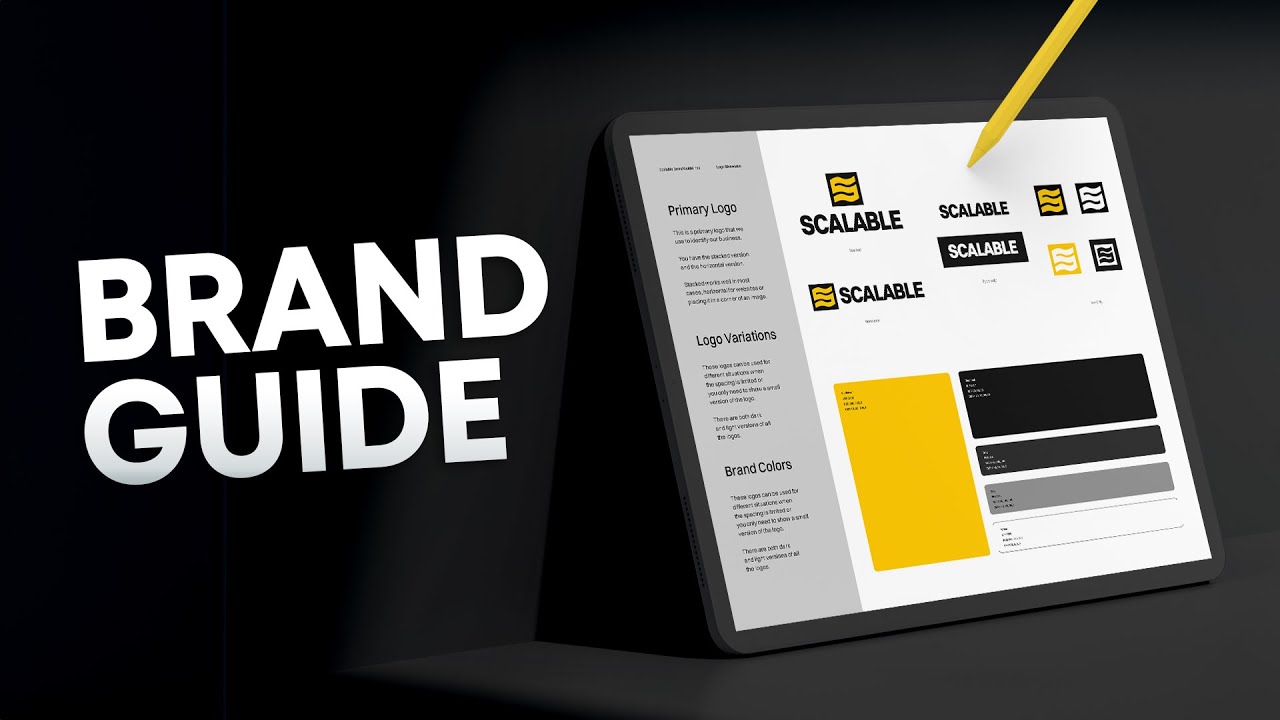
Visual consistency is often the first thing audiences notice. Clear rules ensure that designs look cohesive no matter who creates them.
Include guidance on:
-
Logo usage, spacing, and variations
-
Approved color palettes and contrast rules
-
Typography hierarchy and font pairing
-
Image and illustration styles
Visual rules should be specific enough to prevent misuse but flexible enough to work across formats.
Brand Voice and Tone
Voice defines how a brand sounds, while tone adjusts based on context. This distinction is essential for consistent communication.
Strong guidelines clarify:
-
Core personality traits of the brand voice
-
Words or phrases to use and avoid
-
Tone adjustments for different situations, such as marketing, support, or announcements
Examples are especially helpful here, as they remove ambiguity.
Making Branding Guidelines Practical for Teams
Guidelines are only effective if teams actually use them. Overly complex documents often end up ignored.
Keep the Language Simple and Direct
Avoid vague descriptions and abstract concepts. Teams need instructions they can apply immediately, not theoretical explanations.
For example:
-
Replace “sound professional” with specific tone attributes
-
Replace “use brand colors carefully” with defined use cases
Clear language reduces misinterpretation.
Provide Real-World Examples
Examples turn rules into actions. They show teams what good execution looks like in practice.
Useful examples include:
-
Sample social media posts
-
Email templates aligned with brand tone
-
Visual mockups for common formats
This approach shortens learning curves for new team members.
Make Guidelines Easy to Access
Branding guidelines should live where teams work, not in forgotten folders.
Consider:
-
Hosting them on an internal knowledge base
-
Sharing a condensed version for quick reference
-
Updating teams when changes are made
Accessibility directly impacts adoption.
Aligning Multiple Teams Around the Same Standards
As organizations grow, different departments often develop their own communication habits. Branding guidelines help bring them back into alignment.
To support cross-team consistency:
-
Involve representatives from different teams when creating guidelines
-
Explain the reasoning behind key decisions
-
Offer brief training or walkthrough sessions
When teams feel included, they are more likely to follow the standards.
Reviewing and Updating Branding Guidelines Over Time
Brands evolve, and guidelines should evolve with them. Regular reviews prevent outdated rules from creating friction.
A good review process includes:
-
Scheduled audits of brand materials
-
Feedback from teams using the guidelines
-
Clear version control and update notes
This keeps communication consistent while allowing the brand to stay relevant.
FAQ
1. How detailed should branding guidelines be for small teams?
They should cover essential elements like voice, visuals, and messaging priorities without becoming overly complex. Simplicity helps small teams move faster.
2. Can branding guidelines apply to internal communication as well?
Yes. Internal messages, presentations, and documentation benefit from the same clarity and consistency as external communication.
3. How do branding guidelines support faster content creation?
They reduce decision-making time by giving teams predefined rules, templates, and examples to follow.
4. What is the biggest mistake teams make with branding guidelines?
Creating guidelines that are too abstract or difficult to apply in real situations.
5. How often should branding guidelines be updated?
A review every 6 to 12 months is usually sufficient, or sooner if the brand undergoes major changes.
6. Who should own branding guidelines within an organization?
Typically, marketing or brand leadership owns them, but responsibility should be shared through collaboration.
7. How can new hires learn branding guidelines quickly?
By providing a concise onboarding version with examples and practical use cases.
If you’d like, I can adapt this article to a specific industry, audience level, or publishing platform while keeping the same human-like, professional tone.