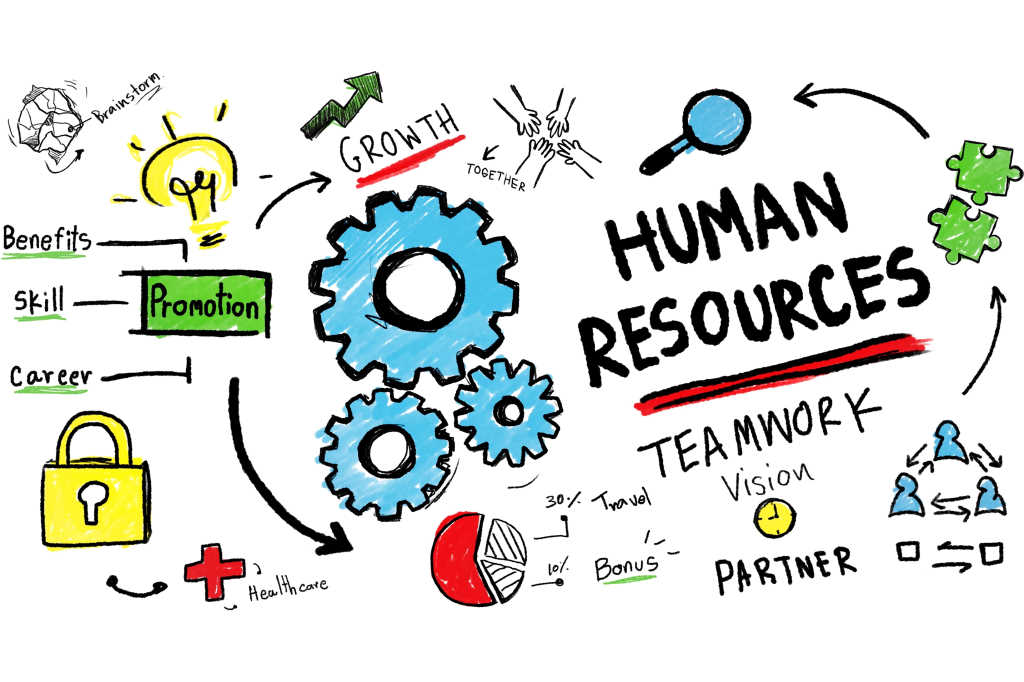

In today’s fast-paced, technology-driven business environment, startups face an array of challenges. From limited resources and small teams to the pressure of scaling quickly, the task of managing human resources efficiently can often feel overwhelming. While the human element of HR—the ability to foster a positive workplace culture, engage employees, and ensure legal compliance—is always critical, it can be difficult for startups to juggle these responsibilities without the proper tools. This is where HR technology (HR tech) comes in. By leveraging a variety of HR tech tools, startups can streamline HR processes, enhance productivity, and create a scalable workforce strategy. These tools are transforming HR from a function traditionally reliant on manual processes into a strategic powerhouse that can drive the growth and success of a startup.
1. Streamlined Recruitment and Talent Acquisition
One of the most pressing challenges for startups is recruiting top talent, particularly when resources are limited. Competing with larger companies often requires startups to be more agile and efficient in their hiring processes. HR tech tools offer a solution by automating various aspects of recruitment, from posting job openings to screening resumes and scheduling interviews.
Platforms like Lever, Greenhouse, and Workable allow HR teams to create structured recruitment workflows, post openings to multiple job boards simultaneously, and use AI-driven algorithms to identify the most qualified candidates. These tools reduce the time spent manually sorting through resumes and increase the likelihood of finding the right fit for a role.
Moreover, recruitment tools enable better candidate engagement by allowing for seamless communication through automated emails, status updates, and feedback. This transparency enhances the candidate experience, leading to higher engagement rates and a better reputation in the talent pool.
“Startups need a fast, effective recruitment process, and HR tech tools provide the infrastructure to attract, evaluate, and hire talent quickly without compromising on quality,” explains Sarah Miller, an HR consultant specializing in startups.
2. Enhanced Employee Onboarding
Once a candidate is hired, an effective onboarding process is crucial for ensuring long-term success and employee satisfaction. For startups, a smooth onboarding process can foster a sense of belonging and set the tone for the entire employee experience. HR tech tools make it possible to automate and personalize the onboarding experience, helping new hires get up to speed quickly and efficiently.
Platforms like BambooHR, Gusto, and Zenefits offer comprehensive onboarding solutions, allowing HR teams to automate paperwork, set up employee training schedules, and provide necessary resources like handbooks and company policies. These tools ensure that new hires receive a consistent, organized, and engaging introduction to their roles, which can improve retention rates and productivity.
Automated systems also minimize the administrative burden on HR teams, allowing them to focus more on strategic initiatives rather than managing paperwork. Additionally, some tools provide features such as e-signatures and document storage, making compliance with labor laws more straightforward for startups that may not have dedicated legal teams.
3. Simplified Payroll and Compliance Management
For startups, navigating the complexities of payroll and compliance can be daunting, especially when it comes to adhering to local, state, and federal regulations. Missteps in payroll or compliance can lead to costly fines and damage to the company’s reputation. HR tech tools can simplify these processes, ensuring that payroll is processed correctly and that the startup remains compliant with the ever-changing landscape of labor laws.
Cloud-based payroll systems like Gusto and ADP streamline payroll management by automatically calculating wages, deductions, and taxes. These tools also provide built-in compliance features, such as reminders for tax filings and automatic updates for changing regulations. As a result, startups can avoid errors and reduce the risk of penalties while freeing up time for other essential business tasks.
Furthermore, HR tech platforms can help with benefits administration, providing employees with easy access to benefits information and simplifying the process of enrolling in health insurance, retirement plans, and other perks. By automating these processes, startups can ensure that they offer competitive benefits packages without the need for extensive HR teams.
4. Data-Driven Decision Making and Analytics
In a startup environment, decisions need to be made quickly and based on the most accurate information available. HR tech tools provide invaluable data and insights that can help business leaders make informed decisions about their workforce. From tracking employee performance to analyzing turnover rates, HR software platforms offer robust analytics that give startups a clear picture of their human capital.
By using data-driven insights, startups can identify trends and patterns within their workforce, such as high turnover rates in specific departments or training needs for employees. This information allows for more effective decision-making regarding hiring, promotions, and employee development.
Moreover, HR tech tools can help track employee satisfaction and engagement levels, which are critical factors in retention and overall productivity. By using pulse surveys, feedback tools, and performance reviews, startups can gather real-time data on employee morale and address any issues before they escalate.
“HR tech tools empower startups to make data-backed decisions that can directly impact the bottom line,” says Mark Johnson, a startup advisor with expertise in HR technology. “When you can see real-time insights into your workforce, it’s easier to identify areas of improvement and take action.”
5. Employee Engagement and Retention
For startups, maintaining a motivated and engaged workforce is key to success. With limited resources, it’s essential to retain top talent to avoid the costs and disruptions of constant turnover. HR tech tools can play a pivotal role in enhancing employee engagement, fostering a positive workplace culture, and improving retention rates.
Employee engagement platforms like 15Five and TINYpulse provide a range of features that help managers communicate with their teams, set clear goals, and solicit regular feedback. These platforms can also be used to recognize employee achievements and provide ongoing performance coaching.
Tools like these enable startups to create a culture of open communication, where employees feel valued and heard. Regular check-ins and feedback loops ensure that concerns are addressed promptly, improving employee satisfaction and reducing the likelihood of burnout.
Additionally, HR tech tools can help monitor and manage employee well-being by tracking stress levels, work-life balance, and overall health. By identifying potential issues early on, startups can implement strategies to support employee wellness, resulting in a happier and more productive workforce.
6. Scalability and Flexibility
Perhaps one of the most significant advantages of using HR tech tools for startups is their scalability. As a startup grows, its HR needs will evolve, and HR tech tools can easily scale to accommodate these changes. From adding new employees to expanding benefits offerings, HR tech platforms are designed to adapt to the growing complexities of a business.
Startups that use cloud-based HR software can scale quickly without worrying about outgrowing their HR system. Most modern HR tech platforms offer customizable features and pricing models, making it easy for startups to choose a solution that fits their current needs while leaving room for future growth.
“HR tech tools grow with your startup, enabling you to add new features or scale up as your team expands,” explains Rebecca Carter, a business consultant specializing in startup growth strategies. “This flexibility is invaluable for businesses that need to remain agile and responsive in their early years.”
7. Cost-Effectiveness
Many startups operate with tight budgets, which makes it essential to find ways to save on operational costs. While investing in HR tech tools requires an initial outlay, the long-term cost savings are substantial. By automating manual processes, reducing the risk of errors, and improving employee retention, HR tech tools offer a high return on investment.
Furthermore, many HR tech solutions provide tiered pricing based on company size, allowing startups to choose a plan that aligns with their financial resources. In the long run, these tools can save both time and money, providing value far beyond their cost.
Conclusion
For startups navigating the complexities of growth and competition, HR tech tools provide a critical advantage. From streamlining recruitment and onboarding to enhancing employee engagement and ensuring compliance, HR tech is transforming how startups manage their most valuable asset—human capital. By embracing HR tech tools, startups can not only simplify their HR processes but also position themselves for scalable growth, improved productivity, and long-term success. In an era where agility and efficiency are key to staying ahead, the integration of HR technology is no longer just a luxury but a strategic necessity for startups.