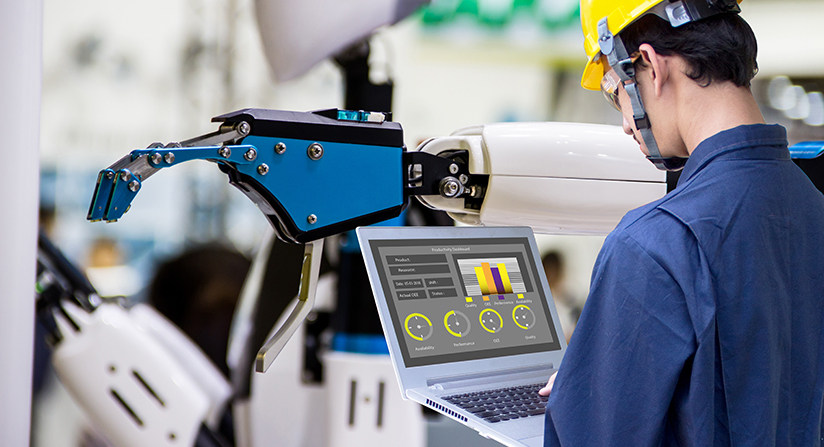

In today’s fast-paced business environment, staying competitive requires more than just offering high-quality products; it demands efficiency, scalability, and the ability to adapt swiftly to market changes. Manufacturing automation, the use of technology to perform tasks traditionally done by human workers, has become a crucial strategy for modern businesses seeking to meet these demands. From improving productivity to enhancing product quality, the benefits of automation are undeniable. Yet, despite its clear advantages, many companies remain hesitant to fully embrace automated solutions.
This article explores why manufacturing automation is no longer just a luxury for large corporations but a necessity for businesses of all sizes. With the right approach, automation can become a game-changer, driving growth, improving operational efficiency, and ensuring long-term sustainability in a competitive marketplace.
1. Enhanced Efficiency and Reduced Downtime
One of the primary reasons businesses should consider manufacturing automation is the dramatic improvement in efficiency. Automated systems, such as robotic arms, conveyor belts, and AI-driven machinery, can work tirelessly around the clock, executing tasks with precision and speed. Unlike humans, machines do not require breaks, vacations, or shift changes, allowing operations to run continuously, thereby increasing output without compromising quality.
For example, robots used in assembly lines can operate in a perfectly synchronized manner, transferring products between different stages of production faster and more accurately than human workers. This results in shorter production cycles and faster turnaround times, which directly contribute to improved operational efficiency.
Moreover, automation significantly reduces downtime caused by human errors or fatigue. In traditional, manual production environments, mistakes can lead to costly delays or defects that may require rework. Automated systems, however, are programmed to execute tasks with a high degree of precision, virtually eliminating these common sources of downtime. For businesses looking to improve their time-to-market, automation is a key enabler.
2. Cost Savings Over Time
While the initial investment in manufacturing automation can be substantial, the long-term savings it offers are considerable. The savings stem from several key areas: labor costs, reduced waste, and improved operational efficiencies.
First, automation reduces the dependency on manual labor, cutting down on the need for large workforces and the associated overhead costs. Workers can be redeployed to higher-value tasks, such as quality control, strategic planning, or innovation. In industries where labor shortages or rising wages are a concern, automation provides a cost-effective solution by streamlining operations and allowing companies to do more with fewer resources.
Second, automation plays a crucial role in reducing waste. In manufacturing, inefficiencies in the process often lead to excess material consumption or product defects. Automated systems, on the other hand, optimize the use of resources by precisely controlling the quantity of materials used and identifying quality issues early in the production process. For example, advanced sensors and AI algorithms can predict defects or errors before they become a problem, reducing the need for expensive rework or wasted materials.
Finally, automation can lower energy consumption. Many automated systems are designed to optimize power usage based on real-time demand, leading to more sustainable and cost-efficient energy use. These energy savings, combined with other operational efficiencies, make automation a cost-saving solution in the long run.
3. Improved Product Quality and Consistency
Product quality is non-negotiable in manufacturing, particularly in industries like automotive, electronics, and pharmaceuticals. Automation not only improves the speed of production but also enhances the consistency and accuracy of the products being made. Machines can perform repetitive tasks with the same level of precision each time, reducing the variability often associated with human labor.
Robotic systems, for instance, can execute processes like welding, assembly, and painting with extreme accuracy, ensuring that every product meets the required specifications. This consistency is crucial in industries where quality control is paramount, as even a small deviation can lead to defects that compromise safety or performance.
Furthermore, automated systems are capable of real-time monitoring, providing valuable data on product performance and quality. With advanced sensors and AI, manufacturers can continuously assess the quality of their output, allowing for immediate corrections if issues arise. This not only results in fewer defects but also builds customer trust and loyalty by ensuring that the products are of the highest quality.
4. Increased Flexibility and Scalability
The modern business landscape is characterized by constant change. Consumer preferences, market demands, and production volumes can fluctuate rapidly, and companies need to be able to pivot quickly to stay competitive. Manufacturing automation provides the flexibility to respond to these shifts with minimal disruption.
Automated systems can be easily reprogrammed or adjusted to accommodate changes in product design, production volume, or manufacturing processes. For instance, a robotic arm used in assembly can be reconfigured to work on different product models without significant downtime or retooling. This ability to rapidly scale operations up or down without significant investments in new infrastructure makes automation an attractive solution for businesses aiming to stay agile.
In addition, automation can help businesses enter new markets or diversify their product offerings. Automated systems can handle a variety of products with minimal changeover, allowing manufacturers to test new ideas or introduce new variations without investing heavily in new equipment or labor.
5. Improved Workplace Safety
Manufacturing environments, particularly those involving heavy machinery or hazardous materials, are inherently dangerous. One of the less obvious but highly significant benefits of automation is its ability to improve workplace safety. Automated systems can take over the most dangerous tasks, reducing the risk of accidents and injuries for human workers.
For example, robots can handle tasks like lifting heavy loads, handling sharp objects, or working in high-temperature environments, which would otherwise put human employees at risk. In addition, automated systems can be equipped with advanced sensors to detect safety hazards in real-time, preventing accidents before they happen.
By taking on high-risk jobs, automation not only protects employees but also helps businesses comply with safety regulations, avoid costly legal liabilities, and reduce insurance premiums.
6. Data-Driven Insights for Continuous Improvement
In the age of Industry 4.0, data is king, and automation plays a key role in harnessing it. Automated systems, especially those integrated with the Internet of Things (IoT), generate vast amounts of data that can provide valuable insights into the manufacturing process. From machine performance to production bottlenecks, these data points help businesses identify areas for improvement and optimize their operations continuously.
Manufacturers can use predictive analytics to foresee equipment failures, streamline supply chains, and better allocate resources. By collecting and analyzing real-time data from automated systems, businesses can refine their processes, reduce inefficiencies, and boost overall performance.
For example, predictive maintenance algorithms can use data to predict when a machine is likely to fail, enabling operators to perform maintenance before a breakdown occurs. This proactive approach reduces unplanned downtime and extends the lifespan of expensive equipment.
7. Sustainability and Environmental Benefits
Sustainability is no longer just a buzzword—it is a business imperative. As the global demand for environmentally responsible practices increases, automation is playing a vital role in helping businesses reduce their environmental impact. Automated systems help minimize waste, conserve energy, and ensure the efficient use of resources.
In manufacturing, automation ensures that materials are used optimally, which reduces scrap and excess consumption. Additionally, automated systems are often more energy-efficient than manual processes, as they can be programmed to operate at peak efficiency and adjust energy usage based on real-time needs. This can significantly reduce the carbon footprint of manufacturing operations, aligning businesses with increasingly stringent environmental regulations.
By adopting automation, businesses can position themselves as environmentally responsible leaders in their industry, which can also enhance their brand reputation among eco-conscious consumers.
Conclusion
The benefits of manufacturing automation are undeniable, especially for modern businesses seeking to stay ahead in a highly competitive and rapidly changing marketplace. From improved efficiency and cost savings to enhanced product quality, flexibility, and sustainability, automation offers transformative advantages for manufacturers of all sizes. While the initial investment may seem significant, the long-term rewards—from cost reductions to better scalability and reduced downtime—make automation an essential tool for future-proofing a business.
Incorporating automation into manufacturing processes is no longer an option for businesses that wish to remain competitive. It’s a necessity. As technology continues to evolve, automation will only become more accessible, advanced, and integral to success. Therefore, for businesses looking to thrive in the modern world, manufacturing automation is not just a wise decision—it’s a strategic imperative.