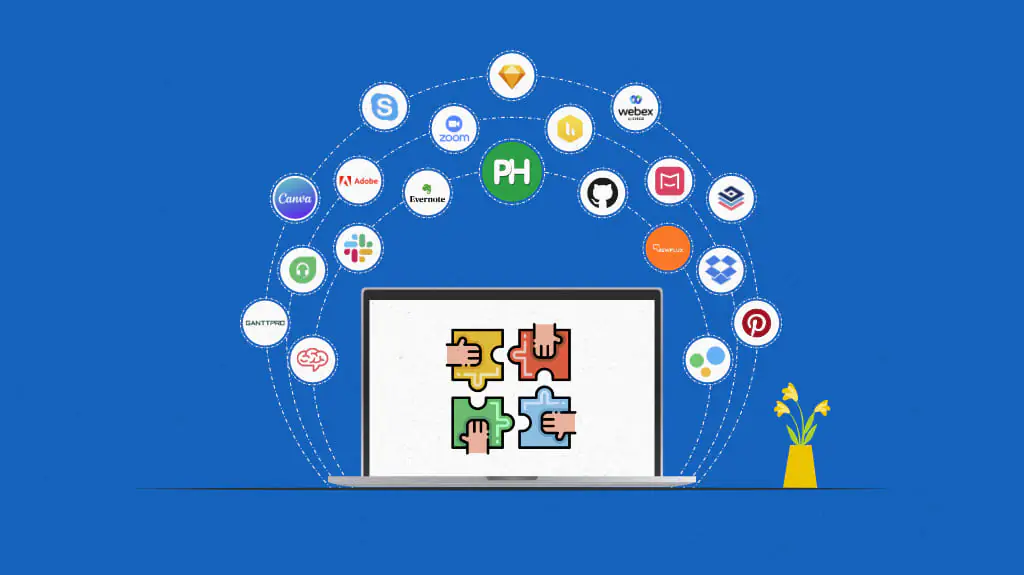

Operational visibility is no longer a “nice to have” for growing businesses. As operations expand across teams, locations, and systems, leaders need clear, real-time insight into what is happening and why. Technology plays a central role in making operations transparent, measurable, and easier to manage without adding unnecessary complexity.
Why Operational Visibility Matters for Modern Businesses
Limited visibility often leads to delayed decisions, duplicated efforts, and missed risks. When leaders cannot see accurate data across departments, small issues turn into larger operational problems.
Improved operational visibility helps organizations:
-
Identify bottlenecks before they escalate
-
Track performance against defined goals
-
Improve accountability across teams
-
Respond faster to market and customer changes
Technology solutions designed for visibility focus on turning raw operational data into meaningful, actionable insight.
Centralized Dashboards for Real-Time Insights
Centralized dashboards bring data from multiple systems into a single, easy-to-read interface. Instead of switching between tools, teams can monitor performance indicators in one place.
Key benefits include:
-
Real-time updates on operational metrics
-
Custom views for different roles and teams
-
Faster issue identification through visual alerts
-
Consistent reporting across departments
Dashboards are especially useful for leadership teams that need high-level visibility without digging into raw data.
Process Automation Tools That Track Workflow Progress
Automation platforms improve visibility by standardizing workflows and recording every step in the process. This makes it easier to understand where work slows down or stalls.
Automation tools support visibility by:
-
Providing clear status updates for ongoing tasks
-
Reducing manual errors that distort reporting
-
Creating audit trails for operational activities
-
Highlighting recurring inefficiencies
When processes are automated, progress becomes measurable rather than assumed.
Data Integration Platforms That Break Down Silos
Operational data often lives in disconnected systems such as finance, sales, operations, and customer support. Integration platforms connect these systems so data flows automatically between them.
Advantages of integrated data environments include:
-
Unified operational reporting
-
Reduced data inconsistencies
-
Better cross-functional decision-making
-
Improved forecasting accuracy
By removing data silos, teams gain a shared understanding of performance across the organization.
Monitoring and Alert Systems for Proactive Management
Monitoring tools continuously track system performance, operational thresholds, and key activities. When something deviates from expected patterns, alerts notify the right people immediately.
These systems improve visibility by:
-
Detecting issues before they affect customers
-
Reducing downtime and operational disruptions
-
Supporting faster root-cause analysis
-
Improving response coordination across teams
Proactive alerts shift operations from reactive problem-solving to preventive management.
Collaboration Platforms That Surface Work in Progress
Collaboration tools improve operational visibility by making work visible as it happens. Shared task boards, activity feeds, and progress trackers ensure everyone understands priorities and responsibilities.
Effective collaboration platforms help by:
-
Showing who is working on what
-
Clarifying deadlines and dependencies
-
Reducing status update meetings
-
Improving transparency across remote and hybrid teams
When collaboration is visible, coordination becomes easier and more reliable.
Advanced Analytics and Reporting Tools
Analytics tools go beyond basic reporting by identifying trends, correlations, and performance patterns. These insights help leaders understand not just what is happening, but why it is happening.
Advanced analytics support operational visibility through:
-
Trend analysis for long-term planning
-
Performance comparisons across teams or periods
-
Scenario modeling for better decisions
-
Data-backed recommendations
This deeper level of insight enables more confident and consistent operational decisions.
Choosing the Right Technology Mix
No single tool delivers full operational visibility on its own. The most effective approach combines dashboards, automation, integration, monitoring, and analytics in a balanced way.
When evaluating solutions, businesses should consider:
-
Scalability as operations grow
-
Ease of adoption for teams
-
Data accuracy and reliability
-
Compatibility with existing systems
A thoughtful technology stack creates visibility without overwhelming users.
FAQ
What is operational visibility in business operations?
Operational visibility refers to the ability to clearly see, track, and understand activities, performance metrics, and workflows across an organization in real time.
How does technology improve operational visibility?
Technology collects, integrates, and analyzes data from multiple systems, turning it into clear insights that support faster and more informed decision-making.
Are dashboards enough to achieve operational visibility?
Dashboards are helpful, but they work best when combined with automation, data integration, and monitoring tools for complete visibility.
Can small businesses benefit from operational visibility tools?
Yes, even small businesses benefit by identifying inefficiencies early and maintaining control as operations scale.
How does automation contribute to better visibility?
Automation standardizes processes and records every step, making progress, delays, and errors easier to track and analyze.
What risks come with poor operational visibility?
Poor visibility can lead to delayed decisions, hidden inefficiencies, compliance issues, and reduced customer satisfaction.
How should businesses prioritize visibility tools?
Businesses should start with core dashboards and integrations, then expand into automation and analytics as operational complexity increases.