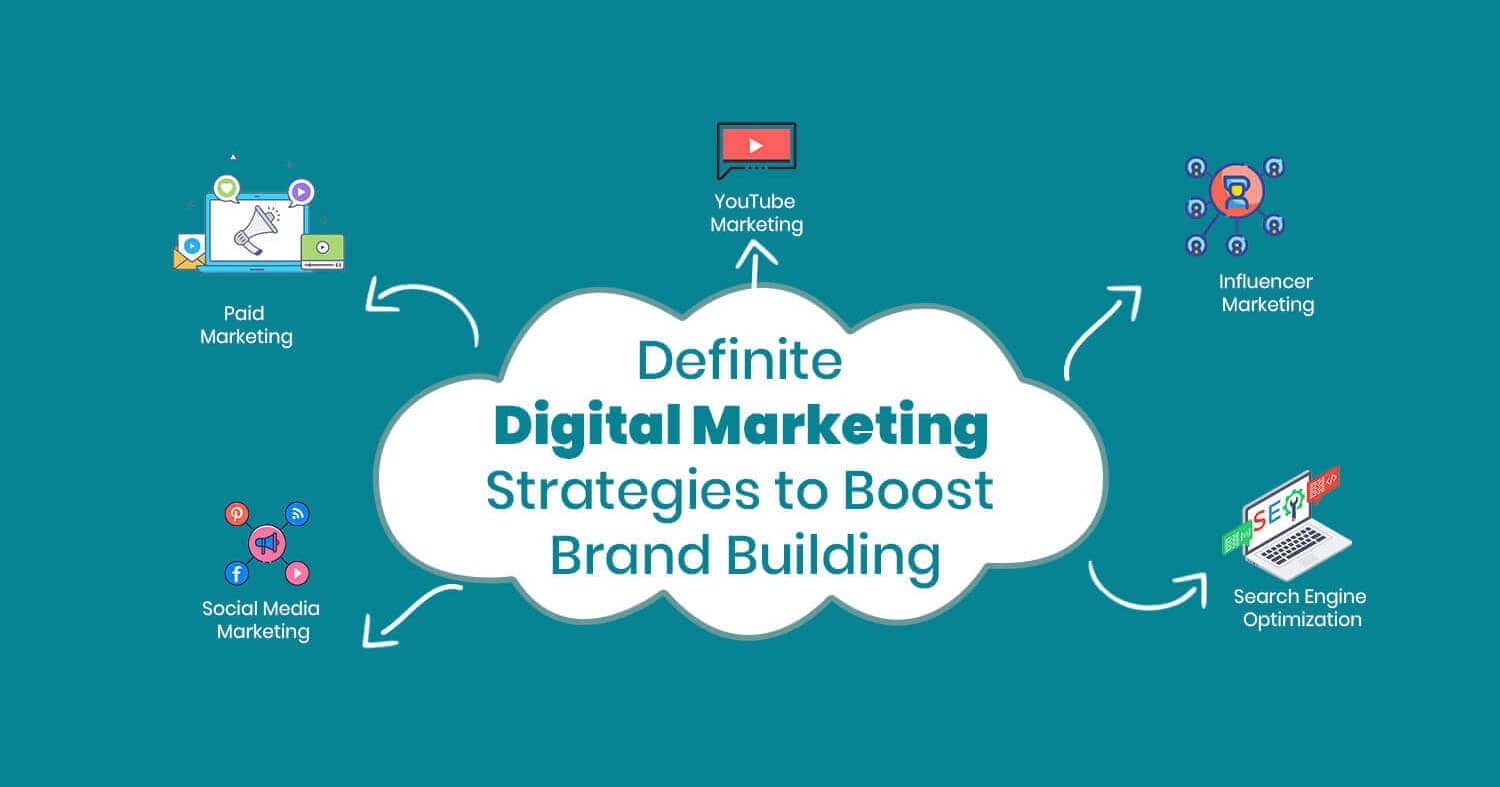

In today’s fast-paced and ever-evolving business landscape, building a distinctive and resonant brand identity has never been more critical. A well-crafted brand identity not only differentiates a business from its competitors but also fosters loyalty, trust, and emotional connections with customers. As modern businesses strive for long-term success, understanding the intricacies of brand identity development is essential. This process is much more than just creating a logo or selecting a color palette; it is about constructing an authentic narrative that communicates who a company is, what it stands for, and how it uniquely serves its audience. In this article, we explore best practices for brand identity development, ensuring that your brand remains relevant, memorable, and effective in a competitive market.
1. Understand Your Brand’s Core Values and Purpose
The foundation of any strong brand identity lies in a clear understanding of your company’s core values and purpose. These are the guiding principles that shape your brand’s actions, tone, and interactions with customers. Before diving into visual elements or marketing tactics, take the time to define your brand’s “why” — the deeper reason behind your business’s existence. Are you providing value through innovation, sustainability, customer-centricity, or something else entirely?
Understanding your mission helps ensure that all elements of your brand identity align with your business’s core values. It also creates a sense of authenticity that resonates with consumers. Brands that communicate their purpose clearly — whether it’s Nike’s focus on empowerment or Patagonia’s commitment to environmental sustainability — are more likely to build loyal customer bases. This clarity of purpose should permeate every aspect of your brand, from customer service to product development, ensuring consistency in message and experience.
2. Create a Distinctive Visual Identity
Your brand’s visual identity is often the first interaction a consumer has with your business. The right visuals can set the tone for how your brand is perceived, so it’s essential to create a look that is not only attractive but also consistent and meaningful. This includes everything from your logo and typography to color schemes, imagery, and even the design of your website or packaging.
When developing a visual identity, it is important to keep your target audience in mind. Colors evoke emotions; for example, blue is often associated with trust, while red is linked to excitement and passion. Fonts also play a crucial role in conveying your brand’s personality — whether you’re going for modern and sleek, or classic and timeless. Aim for visual consistency across all platforms and touchpoints, from social media to printed collateral, to ensure that your brand remains instantly recognizable.
A simple yet effective visual identity should be versatile enough to work across various mediums while staying true to your brand’s character. The more distinctive and consistent your visual elements, the easier it will be for customers to identify and connect with your brand, even in a crowded marketplace.
3. Craft a Compelling Brand Story
Storytelling has become an integral part of brand development in the modern era. Consumers don’t just buy products or services; they buy into stories and experiences. A compelling brand story weaves together the origins, mission, values, and vision of your company in a way that resonates with your target audience. It answers the fundamental question: Why should people care about your brand?
When crafting your brand’s story, focus on the emotional appeal. Make it relatable, memorable, and aligned with your audience’s values. Start by identifying the key elements that make your journey unique — perhaps it’s the passion behind your product or a challenge your business overcame. Then, frame this narrative in a way that draws customers in and makes them feel like they are part of your journey.
Consider brands like Apple, which tells the story of innovation and the desire to make technology accessible to everyone, or Toms, whose narrative is centered on social responsibility and giving back. A well-crafted story helps humanize your brand, creating a deeper connection with your audience that goes beyond a transactional relationship.
4. Ensure Consistency Across All Channels
One of the most crucial aspects of brand identity development is consistency. In today’s multi-platform world, brands must communicate a unified message across all channels, whether that’s through social media, email marketing, websites, or physical storefronts. Inconsistent branding can confuse customers and erode trust.
Your brand identity should be consistently represented not only in visuals but also in tone, language, and messaging. Whether you’re tweeting, posting on Instagram, or responding to customer service inquiries, the voice of your brand should remain cohesive. For example, if your brand has a friendly, approachable tone on social media, this should carry over into your email communications and product descriptions. This consistent tone fosters trust and reinforces your brand’s personality.
In addition to messaging, ensure that the visual elements are consistently applied across all channels. This includes using the same logo, color scheme, and design principles on your website, social media pages, and marketing materials. Consistency fosters recognition, and over time, this builds brand equity, making your brand top-of-mind for consumers.
5. Leverage Customer Experience and Engagement
In today’s experience-driven economy, customers expect more than just quality products; they want a seamless, personalized experience at every touchpoint. Your brand identity is built not only through external communications but also through the experiences you offer to your customers.
Take the time to optimize the customer journey. This includes everything from the moment a customer lands on your website to the post-purchase follow-up. Each touchpoint should reflect your brand’s values, tone, and visual identity, ensuring that your audience feels valued and understood throughout their interaction with your brand. Personalization is also key — whether that means tailoring product recommendations, addressing customers by name, or offering loyalty rewards based on past behavior.
Engagement with customers should be authentic and two-way. Social media platforms, in particular, are ideal for initiating conversations with your audience, answering questions, and soliciting feedback. Your customers are your brand ambassadors, so their experiences and interactions with your business will shape how others perceive your brand. Encouraging user-generated content, running feedback surveys, and responding promptly to inquiries will strengthen your brand’s relationship with its audience.
6. Adapt to Trends Without Losing Authenticity
While consistency is essential, it’s equally important for your brand to remain adaptable and responsive to current trends and consumer needs. The digital landscape is continually evolving, and so are consumer preferences. Businesses that refuse to adapt risk becoming irrelevant.
However, adapting to trends doesn’t mean abandoning your brand’s core identity. It’s about finding ways to incorporate new ideas and technologies in a way that still aligns with your mission, values, and vision. Whether that means leveraging new social media platforms, experimenting with augmented reality, or exploring sustainability practices, your brand should remain open to innovation while staying true to what makes it unique.
Brands like Starbucks are a great example of balancing innovation with authenticity. While they’ve embraced trends like mobile ordering and environmentally friendly practices, their core message — providing a welcoming “third place” for customers — has remained the same. As trends come and go, staying grounded in your brand’s identity will allow you to adapt without losing what makes your brand special.
7. Measure and Evolve Your Brand Identity
Brand identity development is an ongoing process. As your business grows and consumer preferences shift, your brand identity should evolve to remain relevant and impactful. It’s important to continuously measure the effectiveness of your branding efforts and be willing to make adjustments as needed.
Use customer feedback, analytics, and market research to gauge how well your brand identity is resonating with your audience. Are your customers engaging with your content? Is your brand’s personality coming through clearly? If certain aspects of your branding feel outdated or disconnected from your audience, consider revisiting them. This might involve refreshing your visual identity, updating your brand messaging, or exploring new ways to connect with your audience.
A strong brand is never static; it grows with its audience. By staying attuned to shifts in market dynamics and consumer needs, you can ensure that your brand remains strong, relevant, and poised for long-term success.
Conclusion: Building a Brand Identity for the Future
Brand identity development is both an art and a science, requiring careful thought, creativity, and strategy. In an age where consumers have countless choices at their fingertips, having a strong, authentic brand identity is essential for standing out and fostering lasting relationships. By understanding your core values, crafting a compelling story, maintaining consistency, and embracing innovation, you can build a brand that resonates deeply with your audience and supports sustainable business growth. In a world that constantly changes, a well-developed brand identity serves as your business’s anchor, ensuring that you remain relevant and connected with your customers for years to come.