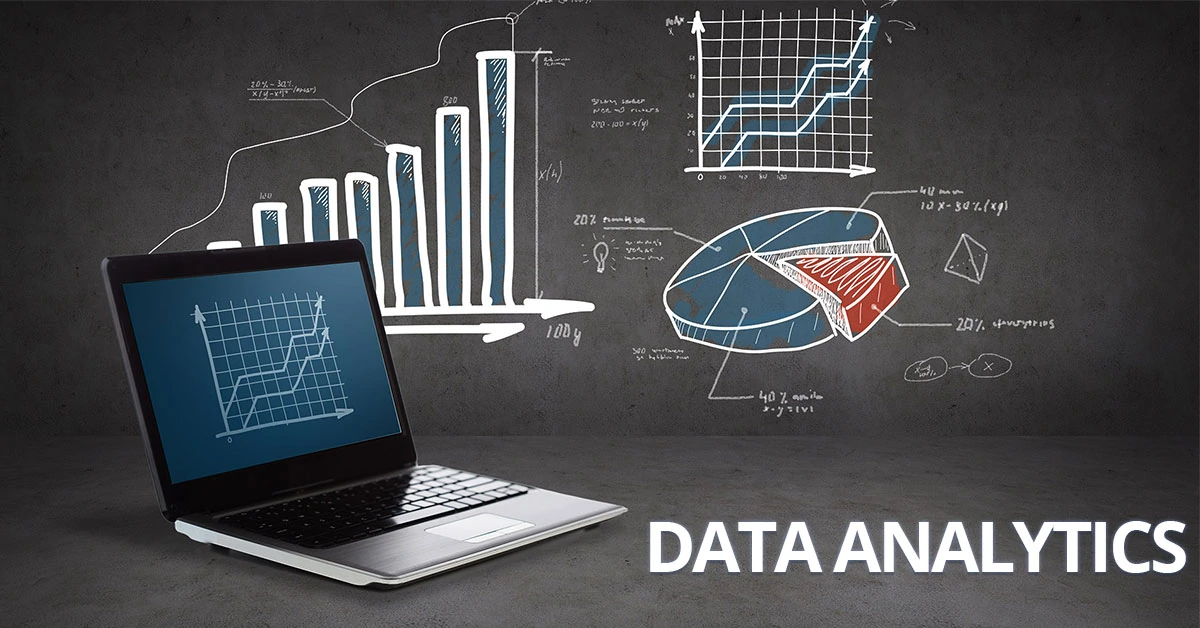
In today’s data-driven world, businesses across industries are leveraging data analytics tools to gain deeper insights, improve decision-making, and fuel innovation. While many companies are still focused on basic analytics—such as descriptive statistics and reporting—leading organizations are now adopting advanced strategies to unlock the full potential of their data. These advanced strategies not only require sophisticated tools but also a clear understanding of how to use them effectively to drive business outcomes. In this article, we will explore some of the most cutting-edge approaches to data analytics, providing insights into how businesses can apply these strategies to gain a competitive edge.
1. Predictive Analytics for Future-Proof Decision-Making
Predictive analytics is an advanced strategy that uses historical data, machine learning algorithms, and statistical models to forecast future outcomes. This approach goes beyond merely reporting past trends and focuses on identifying patterns that can predict future behaviors, events, and trends. Businesses use predictive analytics to anticipate customer needs, optimize inventory levels, forecast sales, and even predict equipment failures before they occur.
One of the most popular tools for predictive analytics is machine learning, which enables systems to learn from historical data and refine predictions over time. For example, e-commerce companies often use predictive analytics to recommend products to customers based on their browsing history and purchasing patterns. By predicting what a customer might buy next, businesses can personalize their marketing efforts and improve conversion rates.
“Predictive analytics helps businesses shift from a reactive approach to a proactive one,” explains Jessica White, a data scientist at a leading analytics firm. “Rather than simply looking at what happened in the past, predictive analytics provides insights that help businesses anticipate future trends, giving them a competitive edge.”
However, to make the most of predictive analytics, businesses must ensure that their data is clean, accurate, and relevant. Inaccurate or incomplete data can lead to faulty predictions, making it crucial to invest in robust data management processes.
2. Prescriptive Analytics for Optimized Decision-Making
While predictive analytics focuses on forecasting future outcomes, prescriptive analytics goes a step further by recommending actions that should be taken based on those predictions. This strategy combines data, algorithms, and business rules to provide actionable insights that guide decision-making.
Prescriptive analytics leverages optimization models, simulations, and decision trees to determine the best course of action in any given scenario. For example, in supply chain management, prescriptive analytics can suggest the most efficient routes for delivery trucks, taking into account factors like weather conditions, road closures, and fuel costs. In finance, prescriptive analytics can recommend investment strategies based on market conditions and risk tolerance.
“Prescriptive analytics helps businesses make more informed decisions by offering specific recommendations that take into account multiple variables and constraints,” says Dr. Alan Hayes, an expert in advanced analytics. “It’s not just about predicting what might happen—it’s about showing businesses what they should do to achieve the best possible outcome.”
One key challenge with prescriptive analytics is the complexity of the models used. These tools often require significant computational resources and expertise to implement, making them more suitable for larger organizations or those with access to specialized analytics teams.
3. Real-Time Analytics for Agile Decision-Making
As the pace of business accelerates, the ability to make data-driven decisions in real-time has become a game-changer. Real-time analytics allows businesses to process and analyze data as it is generated, enabling decision-makers to respond immediately to changing conditions and emerging trends.
For instance, real-time analytics is crucial in industries like finance, where stock prices and market conditions can fluctuate rapidly. By using tools that provide live data feeds, businesses can track market movements and execute trades in real-time to capitalize on opportunities or mitigate risks.
“Real-time analytics is all about agility,” says Lydia Spencer, a senior analyst at a global technology firm. “In environments where decisions need to be made quickly, the ability to analyze data in real time ensures that businesses remain responsive and competitive.”
Implementing real-time analytics often requires a robust infrastructure, including high-speed data pipelines and advanced processing capabilities. Businesses must also ensure that their analytics tools can handle large volumes of data and deliver insights quickly without sacrificing accuracy.
4. Natural Language Processing (NLP) for Enhanced Insights
Natural Language Processing (NLP) is a branch of artificial intelligence that enables computers to understand, interpret, and generate human language. As data becomes more unstructured—such as through social media posts, customer reviews, or call center transcripts—NLP is becoming an increasingly valuable tool for extracting actionable insights from this vast array of text-based data.
By applying NLP techniques, businesses can analyze sentiment, detect trends, and identify key themes in customer feedback, social media conversations, or even employee communications. For example, a retail company might use NLP to analyze customer reviews of their products and identify common complaints, which can then inform product improvements or marketing strategies.
“NLP is revolutionizing how businesses process and derive meaning from textual data,” says Andrew Stevens, a machine learning expert. “With the ability to automatically extract insights from unstructured data, businesses can uncover hidden opportunities and risks that they might otherwise overlook.”
One of the primary challenges of NLP is ensuring that the algorithms can understand the nuances of human language, such as slang, sarcasm, and context. While NLP tools have made significant strides, they still require constant refinement to ensure accuracy and relevance.
5. Data Visualization for Strategic Communication
Advanced data analytics is only valuable if it can be effectively communicated to stakeholders across the organization. Data visualization plays a critical role in making complex data accessible and understandable. Interactive dashboards, heatmaps, and infographics are just a few examples of how businesses can present data in a way that tells a compelling story and drives action.
By using data visualization tools like Tableau, Power BI, or D3.js, businesses can present key insights in a visually appealing format that makes it easier for decision-makers to spot trends, outliers, and areas that require attention. For example, a sales team might use data visualizations to track performance across different regions and products, enabling them to make informed decisions on where to focus their efforts.
“Effective data visualization is about making the data speak for itself,” explains Rachel Cohen, a data visualization specialist. “When done well, it helps decision-makers quickly understand the most important insights and take action without having to sift through raw data themselves.”
However, data visualization should be done thoughtfully to avoid overwhelming users with too much information. The key is to focus on the most relevant metrics and present them in a way that supports decision-making.
6. Big Data Analytics for Comprehensive Insights
Big data analytics involves processing and analyzing large volumes of data that cannot be handled by traditional data processing methods. By using advanced technologies such as Hadoop, Apache Spark, and NoSQL databases, businesses can unlock insights from massive datasets that were previously untapped.
Big data analytics enables organizations to identify correlations, trends, and patterns in datasets that span millions or even billions of data points. Industries like healthcare, retail, and telecommunications are increasingly turning to big data to improve customer service, optimize operations, and innovate new products and services.
“Big data analytics offers businesses the opportunity to gain a deeper understanding of their customers, operations, and markets than ever before,” says Dr. Henry Clark, a data engineer specializing in big data solutions. “The challenge is not just collecting large amounts of data, but making sense of it in ways that drive meaningful business outcomes.”
For organizations to effectively leverage big data, they need a robust infrastructure for data storage, processing, and analysis. This often involves investing in cloud platforms and distributed computing frameworks that can handle the sheer scale of the data.
Conclusion
Advanced data analytics strategies offer businesses an unparalleled opportunity to unlock insights that drive innovation, optimize operations, and improve decision-making. From predictive and prescriptive analytics to real-time data processing and big data analysis, the tools available today are more sophisticated than ever. By adopting these strategies, businesses can gain a deeper understanding of their customers, anticipate future trends, and remain agile in an increasingly competitive marketplace. However, implementing these advanced analytics techniques requires careful planning, the right technology stack, and a commitment to continuously refining models and processes. Ultimately, businesses that harness the full potential of data analytics will not only gain valuable insights but will also be better positioned to thrive in the data-driven future.