
In a global economy defined by oversaturated marketplaces and rapid technological duplication, companies can no longer rely solely on the intrinsic utility of their products or services to survive. A superior product that remains invisible to its target market will inevitably fail, while a baseline product supported by a sophisticated commercial strategy can capture massive market share. For modern enterprises, sustainable economic growth is dictated by the strategic alignment of two separate yet deeply codependent business disciplines: marketing and branding.
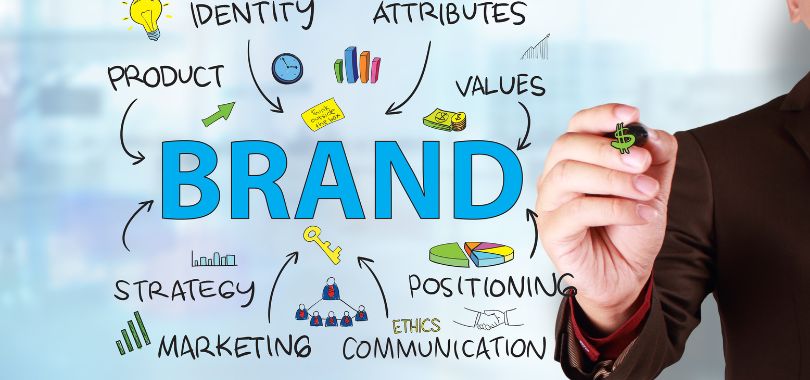
While these terms are frequently used interchangeably in casual corporate discourse, they represent entirely distinct operational mechanisms. Marketing is the tactical execution of campaigns, data analysis, and outreach strategies designed to drive immediate consumer action and generate revenue. Branding, conversely, is the long-term strategic cultivation of an organization’s identity, reputation, emotional resonance, and core values. When executed in harmony, marketing and branding operate as a powerful economic engine that builds customer equity, establishes pricing power, and drives long-term asset valuation.
Deconstructing the Mechanics of Branding
To understand how commercial success is achieved, one must first isolate the structural role of branding. Branding represents the psychological anchor of a company in the mind of the consumer. It answers a fundamental question that every modern buyer consciously or subconsciously asks: why should I care about this company beyond the immediate utility of its product?
Establishing Market Differentiation and Pricing Power
The primary financial benefit of a robust brand strategy is the establishment of pricing power. In a commoditized market where multiple entities offer functionally identical goods, consumers naturally default to the lowest price option. Branding fundamentally alters this dynamic by introducing non-tangible value.
When a business invests in a highly defined brand identity, it infuses its products with a perceived prestige, reliability, or cultural alignment. This psychological differentiation shifts the consumer’s focus from a rational calculation of feature-to-cost metrics to an emotional validation of identity. Consequently, strongly branded companies can command premium prices that sits multiples higher than their production costs, widening gross margins and shielding the enterprise from low-cost competitive undercutting.
Cultivating Customer Loyalty and Reducing Acquisition Friction
Brand equity functions as a powerful retention tool. A company with a weak identity must continuously pay to re-acquire its customer base through aggressive, continuous advertising spend. A company with a highly trusted brand, however, benefits from systemic customer loyalty.
When individuals develop an emotional bond with a brand, their cognitive switching costs increase. They remain with the brand not out of structural necessity, but out of behavioral habit and trust. This loyalty reduces voluntary churn rates and establishes a predictable, recurring revenue baseline. Furthermore, a respected brand lowers future marketing friction; when a highly regarded enterprise introduces a new product line, the market accepts it with immediate credibility, significantly reducing the capital required to validate the new offering.
The Operational Velocity of Modern Marketing
If branding builds the engine and designs the vehicle, marketing is the fuel that drives it forward. Marketing is an active, data-driven discipline that bridges the operational gap between product manufacturing and final revenue realization.
Leveraging Predictive Data Analytics and Segmentation
Contemporary marketing has evolved far beyond creative guesswork or generic billboard placements. It operates as an analytical science deeply anchored in behavioral data, consumer psychology, and algorithmic tracking.
Through advanced segmentation, marketing departments isolate specific micro-audiences based on granular demographic, psychographic, and behavioral indicators. By analyzing historical purchase data, search intent, and engagement metrics, marketers construct highly personalized messaging vectors. Delivering the exact message to the precise consumer at the absolute moment of highest intent maximizes conversion rates, optimizes ad spend efficiency, and drastically lowers overall customer acquisition costs.
Managing the Modern Omnichannel Customer Journey
The contemporary path to purchase is rarely linear; a consumer frequently interacts with a brand across multiple digital and physical touchpoints before executing a transaction. Modern marketing strategy is tasked with orchestrating this complex customer journey seamlessly.
This orchestration requires maintaining total messaging consistency across digital search networks, social commerce applications, programmatic video ads, email automation flows, and physical retail environments. A well-designed inbound marketing funnel continuously captures top-of-funnel attention, nurtures that attention through educational or entertaining mid-funnel content, and deploys high-intent search or retargeting initiatives at the bottom of the funnel to secure final conversions. This comprehensive approach ensures the business remains present throughout the consumer decision-making lifecycle.
The Strategic Convergence of Marketing and Branding
True corporate success is unlocked when marketing and branding function as an integrated ecosystem. A brilliant marketing campaign backed by a broken, hypocritical brand will result in high initial acquisition followed by rapid churn and public backlash. Conversely, a beautiful, deeply ethical brand that lacks a dynamic marketing engine will languish in absolute commercial obscurity.
The Feedback Loop of Data and Identity
Marketing initiatives generate massive quantities of real-time consumer data. When structured correctly, this information acts as a continuous feedback loop that informs and refines the overarching brand strategy.
For instance, if marketing analytics reveal that a company’s product is experiencing high adoption among a completely unexpected demographic, leadership can adjust its brand narrative to mirror the values and lifestyle of this new audience. Simultaneously, the core brand guidelines act as a strict regulatory filter for marketing tactics. The brand dictates the tone of voice, visual boundaries, and ethical standards, ensuring that short-term marketing campaigns never compromise long-term corporate reputation for temporary sales spikes.
Tactical Outlines for Building a High-Growth Commercial Infrastructure
Constructing an enterprise that effectively leverages these disciplines requires deliberate, structured investments from corporate leadership.
-
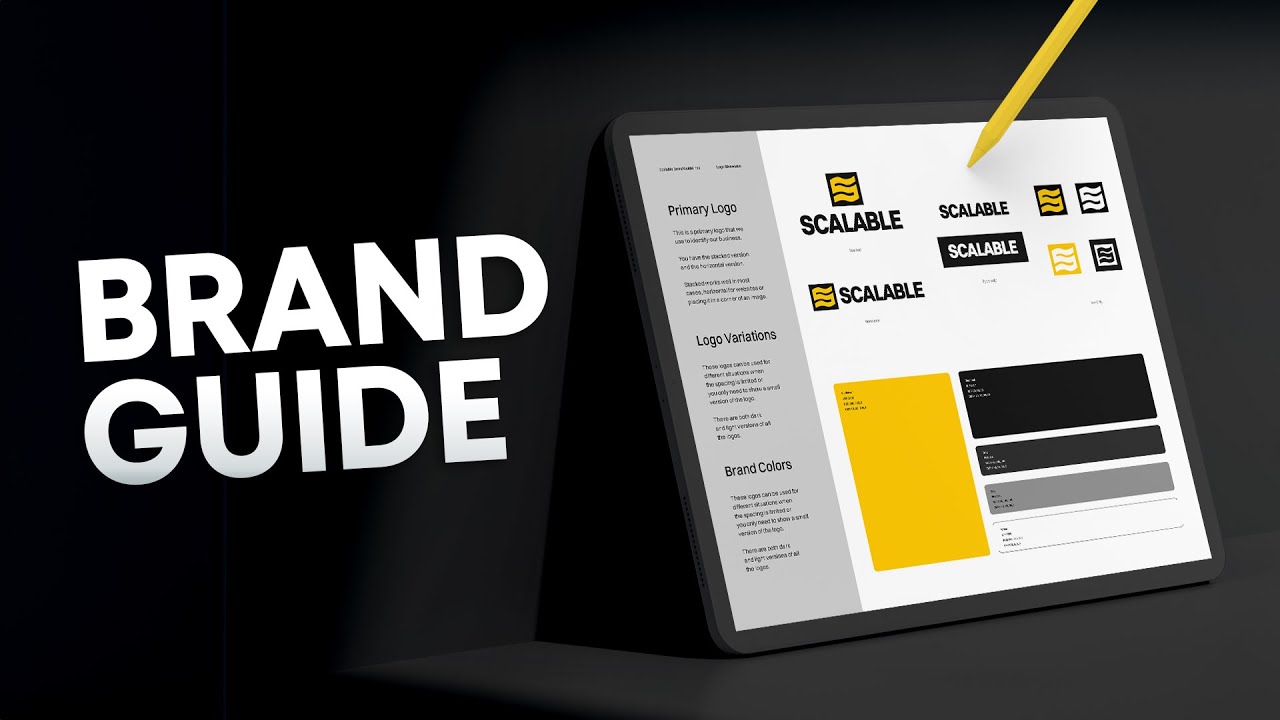
Construct a Comprehensive Brand Blueprint: Before deploying any capital into paid marketing channels, an organization must formalize its brand guidelines. This document must explicitly define the corporate mission statement, internal values, visual identity systems, and target audience personas to maintain internal and external alignment.
-
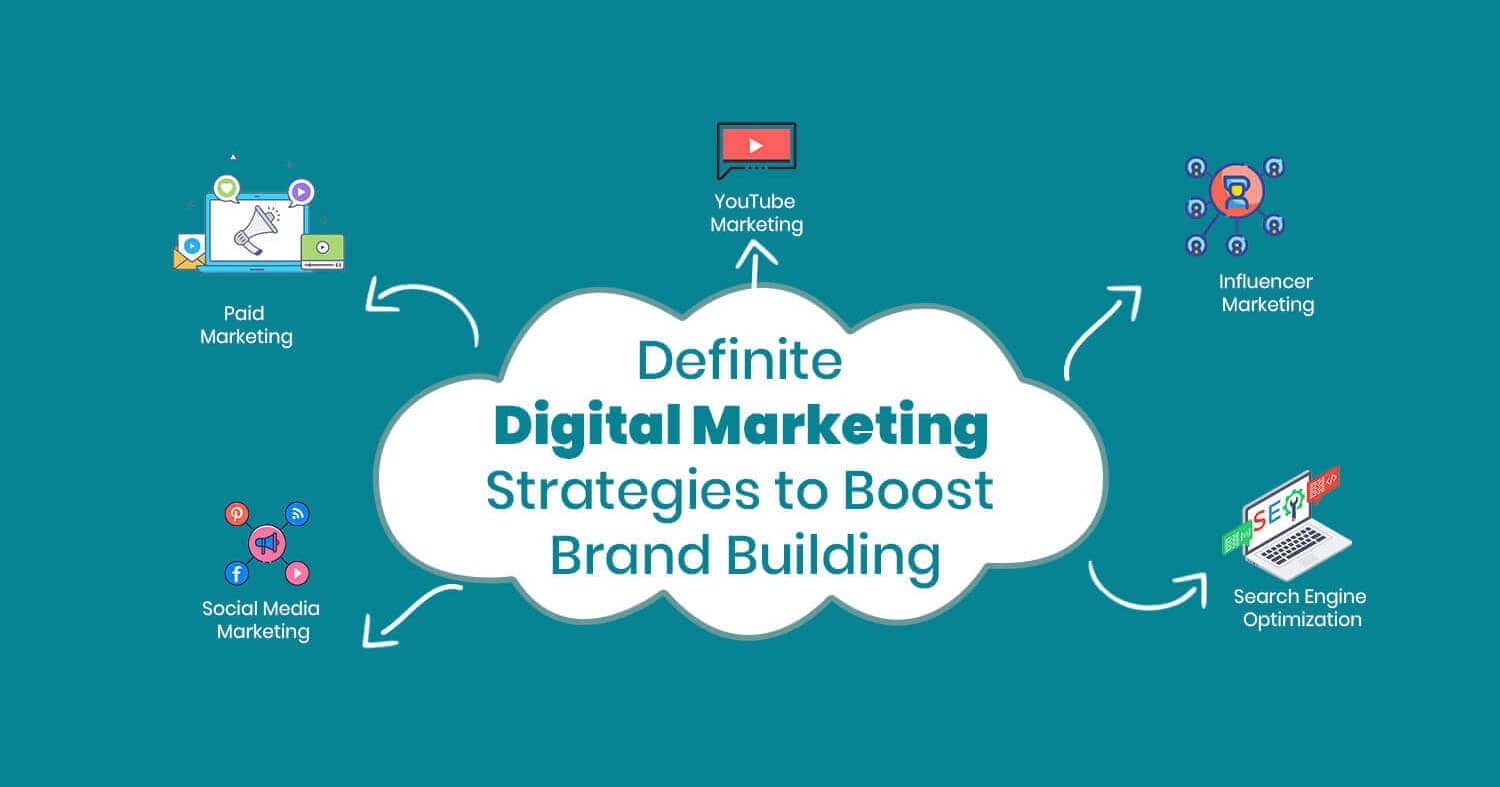
Prioritize Owned Media Networks Over Rented Space: While paid digital ads are useful for rapid scaling, sustainable growth requires building owned media channels. Businesses must invest in structural search engine optimization, email list collection, and high-value editorial content to capture organic traffic that does not require continuous ad spend to sustain.
-
Implement Unified Performance Metrics: Marketing and branding efforts must be evaluated through integrated metrics. While marketing teams track immediate performance indicators like click-through rates, return on ad spend, and conversion velocity, brand health must be monitored through customer lifetime value shifts, net promoter scores, and organic brand search volume growth.
Frequently Asked Questions
What is the precise operational difference between marketing and branding?
Marketing consists of the proactive, tactical actions, campaigns, and methods a business deploys to communicate with an audience, drive conversions, and generate revenue. Branding is the foundational strategy that defines who the company is, what its core values are, and how it is perceived by the public. Marketing asks for a transaction; branding builds the relationship that makes that transaction possible.
How can a business accurately measure the financial return on investment of abstract branding initiatives?
While marketing ROI can be easily tracked through direct attribution metrics, measuring brand ROI requires looking at macro-level corporate health. Organizations calculate brand health by analyzing increases in organic website traffic, tracking the upward trajectory of customer lifetime value, monitoring decreases in customer acquisition costs over time, and evaluating the company’s ability to maintain higher prices than direct competitors without losing volume.
Why do short-term marketing campaigns occasionally damage a long-term brand identity?
Short-term campaigns can damage a brand if they rely on aggressive, off-brand tactics to hit immediate sales quotas. For example, implementing continuous, heavy price discounts can dilute a premium brand’s perceived value in the eyes of consumers, turning the product into a commodity. Similarly, using hyper-sensationalized messaging that conflicts with the brand’s core values creates consumer cynicism and breaks market trust.
How should a business adapt its marketing and branding strategies during an economic recession?
During a economic downturn, consumers become highly value-conscious and risk-averse. Instead of halting ad spend entirely, which destroys market presence, businesses should adjust their marketing copy to emphasize practical utility, immediate cost efficiencies, and financial reliability. Branding efforts should pivot toward reinforcing trust, stability, and consumer empathy, showing that the company prioritizes supporting its community over chasing pure volume.
What is brand dilution and how can a growing company prevent it from occurring?
Brand dilution happens when a company expands its product line too aggressively into unrelated categories or lowers its quality standards to chase quick revenue, confusing its core audience. A business can prevent dilution by executing rigorous market validation before any product extension, ensuring that every new offering aligns perfectly with the brand’s core expertise, message, and quality standards.
How does strong brand alignment within internal corporate culture affect external business success?
Internal brand alignment ensures that employees genuinely understand, believe in, and practice the company’s stated core values. When the workforce is culturally aligned, customer support interactions, product development decisions, and sales processes become naturally consistent with the external brand promise. This authentic internal execution eliminates the operational errors that occur when external marketing claims do not match the real-world customer experience.