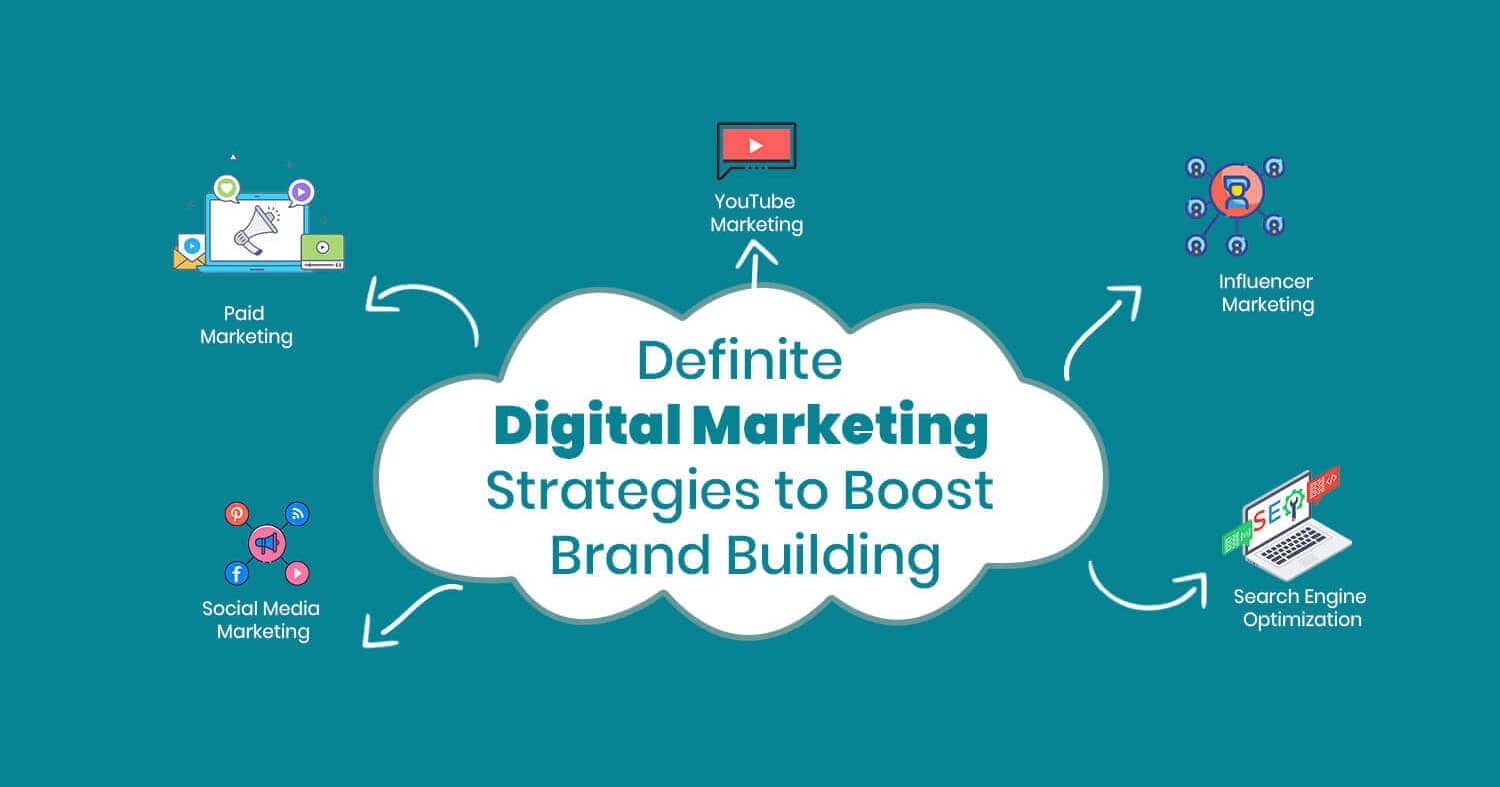

In the modern digital landscape, social media has become a powerful tool for businesses to establish their presence, foster relationships with their audiences, and promote their products or services. But with billions of users across platforms like Instagram, Facebook, Twitter, LinkedIn, and TikTok, standing out has become more challenging. The competition is fierce, and simply being present on social media is no longer enough. For businesses aiming to thrive in this environment, mastering social media branding is essential. Social media branding isn’t just about posting content; it’s about crafting a narrative, creating a visual identity, and engaging with your audience in meaningful ways. As we dive deeper into 2025, adopting effective branding strategies on social media will be crucial for building long-term success. Below, we explore several best practices for social media branding that can elevate your presence and drive results.
1. Define Your Brand Voice and Personality
Before posting anything on social media, it’s crucial to establish a clear and consistent brand voice. Your voice is the tone and style through which you communicate with your audience, and it plays a key role in shaping how people perceive your brand. Whether you’re formal, friendly, quirky, or authoritative, your brand voice should align with your business’s core values and resonate with your target audience. For example, a luxury skincare brand might adopt a refined, sophisticated tone, while a fitness brand might choose a more motivational and empowering style.
It’s also important to stay consistent. Inconsistencies in tone can confuse your followers and make your brand seem disjointed. Consistency doesn’t mean being monotonous, but it does mean ensuring that your messaging aligns with your brand’s identity. Develop a style guide that outlines the key elements of your voice, including vocabulary, sentence structure, and overall tone. This way, everyone on your team can be aligned in their approach.
2. Leverage Visual Consistency Across Platforms
Social media is an inherently visual medium, and your brand’s visual identity will play a critical role in helping you stand out. Visual consistency ensures that your audience can instantly recognize your brand, even when scrolling through a crowded feed. This includes the use of consistent colors, typography, imagery, and logo placement.
Start by choosing a color palette that reflects your brand’s essence. For instance, blue can convey trustworthiness, while red may symbolize passion or energy. Once you’ve chosen your brand colors, make sure these are used consistently across your profile, posts, and advertisements. This extends to fonts as well; a carefully selected typeface reinforces your brand’s personality.
Additionally, your visual content should align with the overall theme or aesthetic of your brand. Whether it’s through a minimalist, vibrant, or retro aesthetic, creating a consistent visual style will help your brand become more recognizable over time. Tools like Canva, Adobe Spark, and even more advanced design software can help maintain this consistency and streamline your content creation process.
3. Engage with Your Audience Meaningfully
Branding on social media isn’t just about promoting your products; it’s also about creating a community. One of the most powerful elements of social media is the ability to engage directly with your audience. Instead of just pushing out content, aim to foster conversations, answer questions, and respond to feedback.
Engagement should be genuine and personalized. When someone comments on your post, take the time to respond thoughtfully. Acknowledge positive feedback, address complaints with empathy, and engage in conversations that align with your brand values. This type of active involvement helps humanize your brand, making it more relatable and trustworthy.
Polls, Q&A sessions, and live streams are excellent ways to engage with your audience in real-time. They provide a platform for customers to ask questions and share their thoughts while giving your brand an opportunity to demonstrate expertise, personality, and approachability. As social media algorithms increasingly prioritize engagement, brands that build strong relationships with their followers will find themselves at a significant advantage.
4. Create Valuable, Relevant Content
Content is the lifeblood of social media branding. However, not all content is created equal. For your branding efforts to be successful, the content you share should resonate with your audience, reflect your brand’s values, and provide value.
Consider creating content that educates, entertains, or informs your followers. Think about the challenges and interests of your target demographic and find ways to address these through your posts. If you’re a software company, for example, creating tutorials, case studies, or thought leadership articles on industry trends will help establish your authority. A clothing brand could share styling tips, behind-the-scenes looks at design processes, or eco-friendly fashion choices.
Repurposing content across different formats is another best practice. A blog post can be condensed into an infographic, summarized in a video, or highlighted in a tweet. This not only saves time but also allows you to reach a broader audience, as different people prefer different types of content.
Moreover, focus on creating visually engaging content. Use high-quality images, short-form videos, and well-designed graphics to ensure that your posts capture attention amidst the noise of users’ feeds. Interactive content such as quizzes or user-generated content campaigns also encourages deeper engagement.
5. Be Authentic and Transparent
In an age where consumers value authenticity more than ever, transparency is crucial for building trust on social media. People want to feel like they are connecting with real, human brands rather than faceless corporations. Being transparent about your processes, values, and even mistakes, can go a long way in fostering genuine relationships with your audience.
If your brand supports social causes or takes a stand on a specific issue, don’t be afraid to showcase that. In fact, brands that fail to address important societal issues risk being seen as out of touch or indifferent. However, it’s important to remain authentic and true to your values. A carefully crafted message about social responsibility or environmental sustainability will resonate more if it’s backed by tangible actions, such as using sustainable materials or supporting relevant charitable causes.
Authenticity extends beyond messaging; it also applies to the way you interact with followers. Avoid robotic, overly promotional language, and instead aim for a conversational, approachable tone. People want to know the faces behind the brand, and by showing the human side of your business—whether through behind-the-scenes content or employee stories—you can foster a stronger, more meaningful connection with your audience.
6. Track, Analyze, and Adapt
Branding is not a static process; it requires continuous refinement and adaptation. The beauty of social media is that you can measure the effectiveness of your branding efforts in real time. Platforms like Instagram, Facebook, and LinkedIn offer analytics that provide insights into engagement rates, follower demographics, post performance, and much more.
Regularly review these metrics to understand what content resonates best with your audience. Are your followers engaging more with videos than with static images? Are certain hashtags driving more traffic to your posts? By paying attention to these details, you can refine your strategy to optimize your reach and engagement.
Don’t be afraid to experiment with different formats, messaging, or platforms to see what works best. Social media trends evolve quickly, and staying agile is key to maintaining relevance. For example, TikTok exploded in popularity by allowing brands to embrace creativity and authenticity in ways that traditional platforms like Facebook and Instagram could not. Identifying emerging trends and adapting your brand’s strategy accordingly will keep you ahead of the curve.
Conclusion: Social Media Branding for Long-Term Success
In the ever-evolving digital space, the way brands approach social media will play a defining role in their success. Establishing a strong, consistent, and authentic brand presence is no longer optional—it is imperative. By defining your brand’s voice, maintaining visual consistency, engaging authentically with your audience, creating valuable content, and continuously adapting to trends, you can build a powerful social media brand that resonates deeply with your followers.
Social media branding is an ongoing journey, not a one-time task. With dedication, creativity, and a commitment to your audience, your brand can thrive in the dynamic world of social media and build lasting relationships with your customers. By following these best practices, you will not only enhance your brand’s presence but also position your business for long-term success in an increasingly competitive digital landscape.