
Customer Relationship Management (CRM) software has become a cornerstone for businesses aiming to streamline operations, improve customer interactions, and boost overall efficiency. However, as the CRM market continues to grow with a plethora of options, businesses must exercise caution when selecting the right system. While CRM solutions can significantly enhance a company’s performance, not all CRM software is created equal, and some are far less effective than others. In this article, we will explore the insights shared by experts on what to look out for when selecting CRM software—and, perhaps more importantly, which systems to avoid.
1. Overly Complex Systems
One of the primary red flags when it comes to CRM software is excessive complexity. While CRM platforms are designed to handle diverse business processes, experts frequently emphasize the importance of a balance between functionality and ease of use. Many CRM solutions offer a vast array of features, but this can overwhelm employees, particularly those who are not particularly tech-savvy. According to Brad Smith, an industry analyst at Forrester Research, businesses should avoid CRMs that are overly complicated. “A CRM should empower, not burden,” he explains. “The more complex the system, the harder it is to adopt across the organization, leading to frustration and potential abandonment.”
A CRM software that demands excessive training and a steep learning curve can quickly drain a company’s resources. It’s important to choose a system that aligns with your team’s existing workflow and is intuitive enough for everyone to grasp without the need for weeks of training. If a CRM is bogged down with unnecessary features or a convoluted user interface, it could stifle productivity and employee engagement.
2. Lack of Integration Capabilities
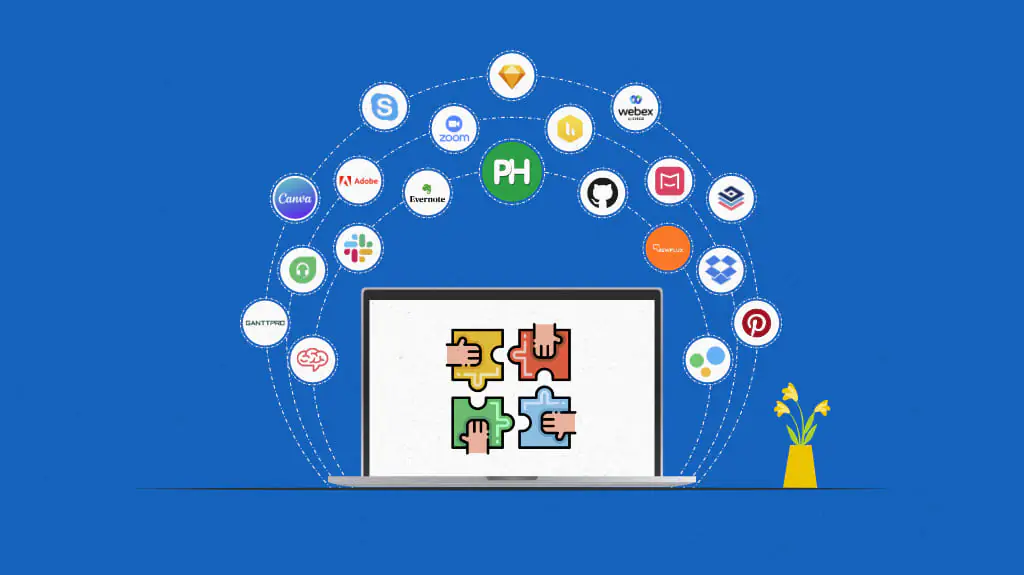
Integration is another critical consideration when selecting CRM software. Experts warn against systems that do not seamlessly integrate with other tools already in use within the organization. Modern businesses rely on a wide range of software solutions, such as marketing automation platforms, financial systems, and customer service tools. If a CRM does not easily integrate with these systems, it can lead to data silos, inefficiencies, and lost opportunities.
“Integration is key,” says Rebecca Sykes, a CRM consultant with over a decade of experience in the field. “If the CRM doesn’t connect well with your email marketing tools, social media platforms, or ERP system, you’re essentially working in isolation, which defeats the purpose of using a CRM in the first place.” Businesses should choose CRM software that offers open APIs or pre-built integrations with commonly used platforms. Without these capabilities, companies might find themselves manually transferring data between systems, resulting in errors, delays, and wasted time.
3. Lack of Customization
Another significant warning sign when evaluating CRM software is a lack of customization options. Not all businesses are alike, and different industries have unique needs. For example, a real estate agency requires different CRM features than a retail business or a B2B tech startup. Experts caution against CRM platforms that offer a “one-size-fits-all” approach. These systems may have limited customization capabilities, forcing companies to adapt their processes to the software rather than the other way around.
“Customization is crucial for ensuring that the CRM software fits the specific requirements of the business,” says Michael Harris, a CRM specialist. “A rigid CRM system that doesn’t allow you to tailor the user interface, workflows, and reports will likely hinder your team’s ability to perform at its best.” Customization features, such as flexible data fields, adaptable workflows, and personalized dashboards, allow businesses to configure the CRM to their exact needs and improve overall usability. Without such flexibility, companies may end up wasting resources on a tool that does not meet their requirements.
4. Hidden Costs
While the initial pricing of CRM software may seem reasonable, experts warn businesses to scrutinize any potential hidden costs that might arise down the line. CRM software typically operates on a subscription model, and while the monthly fee may appear affordable, there could be additional costs for features such as integrations, data storage, customer support, or even training. “Companies often overlook the total cost of ownership when selecting CRM software,” notes Sarah Greenfield, a financial consultant for SaaS-based businesses. “What starts as an attractive, low-cost solution can balloon into an expensive proposition once all the add-ons and hidden fees are accounted for.”
It’s essential to conduct a thorough cost-benefit analysis before committing to a CRM system. Look beyond the initial subscription price and assess any ongoing fees associated with upgrades, support, and additional features. Also, make sure the software’s scalability matches your business’s long-term growth, as some systems can become prohibitively expensive as you scale up.
5. Poor Customer Support and Training
Customer support is a critical aspect of any software implementation, yet it is often an afterthought when evaluating CRM options. CRM systems are complex, and occasional hiccups are inevitable, especially during the initial deployment phase. When problems arise, businesses need access to reliable customer support to ensure issues are resolved quickly.
Experts emphasize the importance of choosing CRM software that provides comprehensive support options, including 24/7 help desks, training materials, and community forums. Poor customer support can lead to long downtimes, frustrated employees, and ultimately, an underutilized CRM system. “If a CRM vendor isn’t responsive to your needs or doesn’t offer ongoing training resources, it’s a sign that they’re not invested in your success,” warns Daniel Roberts, a senior CRM consultant.
Before making a decision, test out the vendor’s customer service. Reach out with questions, inquire about training options, and read reviews from other users to gauge how well the company supports its clients post-purchase.
6. Inadequate Reporting and Analytics
Data is the lifeblood of modern businesses, and a CRM without robust reporting and analytics capabilities is a poor investment. Experts frequently advise against CRM systems that offer basic or subpar reporting features. A good CRM should enable businesses to generate detailed insights into sales performance, customer behavior, and overall business health.
“Without powerful reporting and analytics, you can’t make data-driven decisions,” says Erica Bennett, a CRM software consultant. “Companies need to understand customer trends, identify opportunities for growth, and track the ROI of their marketing and sales efforts.” CRM systems that lack customizable reports or fail to provide real-time data analytics can hinder a company’s ability to make informed decisions and optimize its operations.
Conclusion
The selection of CRM software is a critical decision that can significantly impact the efficiency and effectiveness of your business. However, it’s equally important to recognize which CRM systems to avoid. Experts universally recommend staying away from overly complex platforms, systems that lack integration and customization capabilities, and those with hidden fees or inadequate support. Additionally, it’s vital to ensure that the software offers robust reporting tools that can provide meaningful insights into your business’s performance.
When evaluating CRM options, businesses should prioritize simplicity, flexibility, and scalability, always keeping in mind the unique needs of their team and industry. By avoiding the pitfalls outlined by experts, companies can select a CRM that enhances customer relationships, drives efficiency, and ultimately contributes to sustained business growth.